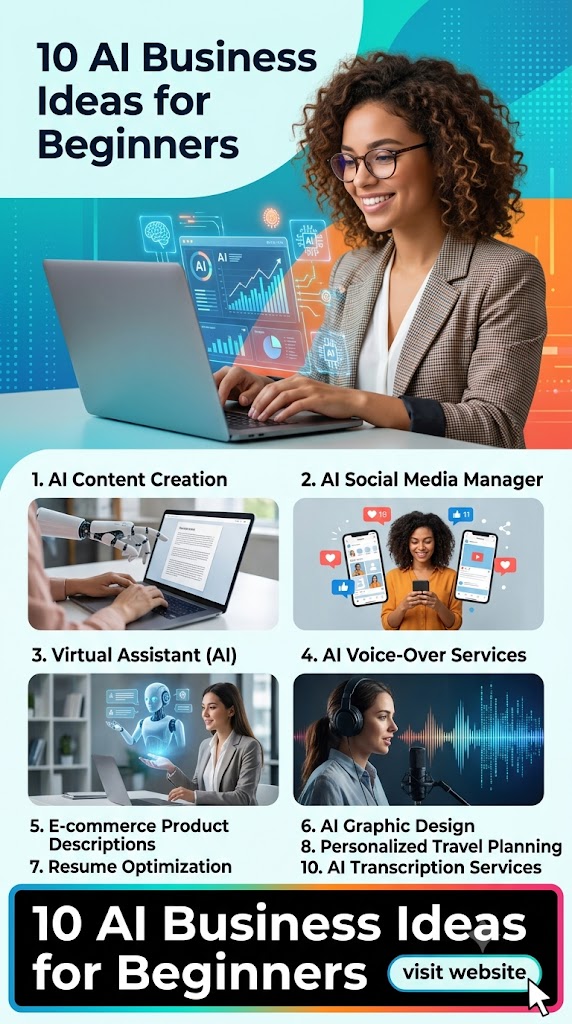
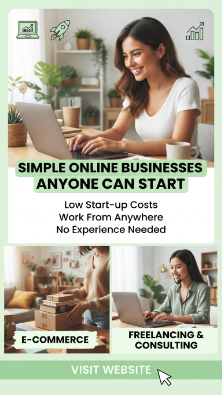
For countless people, the dream of starting a business feels just out of reach—blocked by a lack of capital, technical skills, or simply time. The good news is that the digital economy has dramatically lowered the barriers to entry. Today, a laptop, a reliable internet connection, and the willingness to learn are often all you need to launch a simple online business. This article explores what makes an online business beginner-friendly, details a range of low-cost ideas you can start right now, and provides a practical guide for taking the first steps.
What Makes an Online Business “Simple” and Beginner-Friendly?
An online business idea is considered “simple” not because it requires no effort, but because it has a low barrier to entry and a clear path to revenue. Several key characteristics define these accessible ventures.
First, low startup costs are a defining feature. Many models can be launched for under $100 using free trials, inexpensive software, and platforms like Canva, WordPress, or Shopify. There is no need for a physical storefront, large inventory, or a team of employees. Second, no large inventory requirement is crucial. Business models like dropshipping, print-on-demand, and digital products eliminate the financial risk of unsold stock. Third, the work is remotely deliverable through cloud storage, video calls, or automated downloads, providing flexibility and eliminating location constraints.
Fourth, the skills required are learnable. The best beginner ideas leverage skills that can be improved through practice and feedback. You don’t need to be a master from day one. Fifth, simple monetization means you can clearly explain how you make money, whether through hourly fees, product sales, or commissions. Lastly, fast validation allows you to test demand within days or weeks. You can publish an offer, create a product listing, or contact potential buyers to see if your idea has traction.
Beginner-friendly does not mean effortless. However, it means the business has a straightforward path from starting to earning, allowing you to build income around your skills, knowledge, creativity, or ability to build an audience rather than heavy upfront investment.
10 Simple Online Business Ideas to Start Today
Here are ten of the most accessible online business models, categorized by their core focus: service-based, product-based, or content-based.
Service-Based Businesses: Monetizing Your Existing Skills
Service-based businesses are often the fastest path to revenue because you are selling your time and expertise directly. They typically have zero to minimal startup costs.
1. Freelance Virtual Assistant
Virtual assistants (VAs) provide administrative, technical, or creative support to businesses and entrepreneurs. Services can include email management, scheduling, data entry, customer service, and travel planning. This is an ideal entry point because you can leverage skills you likely already possess, like organization and communication. Many VAs start at $15-$25 per hour and can quickly raise their rates as they gain experience and specialize. “I help real estate agents with inbox and calendar support” is a clearer and more marketable offer than simply “I am a virtual assistant”.
2. Online Tutoring and Coaching
If you have expertise in a subject, skill, or hobby, you can teach it online. This could be academic tutoring in English, math, or science, or it could be coaching in areas like fitness, career planning, or business operations. The e-learning market is booming, and people are willing to pay for transformation and practical knowledge. You do not need a teaching degree to start; often, practical experience and a clear, patient teaching style are what students value most. You can charge per session through platforms or your own booking site and earn £30-£40 per hour as you build a reputation.
3. Freelance Writing and Content Creation
Businesses are constantly in need of content for their blogs, websites, email newsletters, and social media. If you have a knack for writing, you can offer copywriting, content writing, proofreading, or editing services. The startup cost is zero; all you need is a portfolio of your work. Specializing in a niche, such as “blog posts for sustainable homeware brands” or “email newsletters for SaaS companies,” can make you more attractive to potential clients and justify higher rates.
4. Social Media Management
Many small businesses struggle to maintain a consistent and engaging social media presence. If you are active on platforms like Instagram, TikTok, and LinkedIn, you can help them by creating content, scheduling posts, and engaging with their audience. This is a great way to turn a personal passion into a paying job. You can start by helping one or two small businesses and build from there.
Product-Based Businesses: Selling Without the Inventory
These models allow you to sell products online without the need to manufacture goods, manage storage, or handle shipping, making them incredibly beginner-friendly.
5. Dropshipping
Dropshipping is a retail fulfillment method where a store doesn’t keep the products it sells in stock. Instead, when a customer places an order, you forward it to a third-party supplier, who ships the product directly to the customer. This means you never handle the inventory or manage logistics. The barrier to entry is low and can be started with a small upfront investment. The key is finding a profitable niche and reliable suppliers. Tools like Shopify make it easy to set up a store, connect with suppliers, and start selling.
6. Print-on-Demand
Similar to dropshipping, print-on-demand (POD) allows you to sell custom-designed products like t-shirts, mugs, and tote bags. A third-party supplier prints and ships the item only after a customer places an order. This model is perfect for creative individuals who can design artwork but don’t want to manage inventory. The profit margins are lower than traditional e-commerce, but the risk is also much smaller.
7. Digital Products
Digital products are the holy grail for many online entrepreneurs. These are intangible goods that can be created once and sold repeatedly with almost zero ongoing production costs. Examples include e-books, printable planners, templates (for resumes, social media, or spreadsheets), and online courses. The global knowledge economy is projected to soar past $133 billion by 2030, highlighting the massive demand for digital solutions. Platforms like Gumroad, Teachable, and Etsy make it simple to host and sell digital goods.
8. Simple E-commerce
While more involved than dropshipping, e-commerce allows you to sell physical products you curate or create yourself. The key to starting simply is to find a narrow niche. Instead of opening a general store, focus on one category for a specific type of customer, like “organic cotton baby clothes for eco-conscious parents” or “handmade leather dog collars.” A narrow focus means simpler decisions, clearer messaging, and less competition.
Content-Based Businesses: Building an Audience and Authority
These models involve creating content to attract an audience, which you then monetize through ads, affiliates, or your own products.
9. Affiliate Content Website
Affiliate marketing is one of the most practical starting points for beginners. You create helpful content—blog posts, videos, or a newsletter—around a specific topic and recommend products or services that solve your audience’s problems. You don’t need to create your own product; you earn a commission when people buy through your affiliate links. The trade-off is that building trust and an audience requires patience and consistency, but it’s a steady and manageable model.
10. Blogging
A simple blog around a niche interest remains a solid business model when built with purpose. Rather than a broad personal diary, focus on a specific problem or interest area, like “gardening in small spaces” or “budget meal planning for shift workers”. Over time, a successful blog can be monetized through affiliate income, digital products, advertising, or simple services.
How to Choose the Right Idea for You
With so many options, the best choice is the one that aligns with your skills, goals, and lifestyle. A business can be cheap to launch but hard to grow if there is weak demand or too much competition without a clear angle.
Here are a few filters to help you decide:
- Skills: Start by listing your current skills, even if they seem ordinary. “Organizing information” can become an online service. “Editing short videos” can be a freelance gig.
- Speed to Income: If you need money quickly, start with a service like freelance writing or virtual assistance. Product-based businesses and content sites often take longer to gain traction.
- Long-Term Goal: If you want flexibility and the potential to scale, digital products, courses, or affiliate sites can become less dependent on your time.
- Time Available: If you only have a few hours a week, a content-based business or a digital product may fit better than a service with daily client demands.
A narrow focus is often the key to success. “Social media management” is vague, but “Instagram content packages for local fitness studios” is easier to price, market, and explain to a specific audience.
A Simple Path to Starting Your Online Business
Once you’ve chosen an idea, you can follow these nine steps to launch your business.
Step 1: Choose Your Niche
The sweet spot for any online business is where what you know, what people want, and what can make you money overlap. When you sell something you understand, you’ll find it easier to explain its value and connect with your audience authentically.
Step 2: Validate Your Idea
Before you invest time and money, check if there is real demand. Use free tools like Google Trends and Keyword Planner to see what people are searching for. Monitor relevant subreddits and forums to hear the questions and problems your potential customers are discussing. Ask yourself: Who exactly wants this? What problem does it solve? How much will they pay?
Step 3: Create a Unique Value Proposition
Your unique value proposition is a clear statement that explains how your product or service solves a customer’s problem and what makes it different from the competition. Avoid jargon. A good test is to read it to someone unfamiliar with your business; if they can’t immediately understand what you do and why it matters, it needs revising.
Step 4: Handle the Legal Basics
Just like a traditional business, an online business must follow the law. Basic requirements often include registering your business name and structure and obtaining a tax number. If you collect personal information, you must follow data protection laws like GDPR and have a privacy policy.
Step 5: Build Your Online Presence
You don’t need a complex website to get started. For a product-based business, you can build a store using e-commerce platforms like Shopify, which offer free trials. For a service-based business, a one-page website using a site builder like Wix or a professional profile on a freelance platform like Upwork can be enough. A free domain and a professional email address go a long way.
Step 6: Set Up Operations
Establish systems for payments and delivery. Choose a reliable payment gateway (like Stripe or PayPal) that integrates seamlessly with your website. For physical products, determine your shipping and fulfillment process. For services, set a schedule and a booking system.
Step 7: Plan Your Marketing
You don’t need a multi-channel strategy from day one. Focus on two or three marketing efforts that make sense for your business and do them well.
- Search Engine Optimization (SEO): Create content that uses keywords people are searching for to drive free organic traffic.
- Social Media: Build a presence on the platform where your target audience spends their time. For example, LinkedIn might be better for B2B software, while Instagram is ideal for a handmade jewelry brand.
- Email Marketing: Start collecting email addresses from day one. It delivers the highest return on investment of any digital marketing channel.
Step 8: Launch and Test
Launching doesn’t have to be a dramatic event. Start with a soft launch or a small marketing campaign. Consider a low-budget Facebook or Google ad test to gauge interest. Pay attention to what gets a response. This is the time to learn and iterate based on real customer feedback, not to aim for perfection.
Step 9: Grow and Scale
After you have a steady stream of sales, look at your data to see what’s working best. Double down on the most profitable products or marketing channels. Use tools to automate repetitive tasks like email sequences, social media scheduling, and inventory tracking, freeing up your time to focus on growth.
Conclusion
The journey to starting an online business is more accessible than ever before. The key is to move from thinking to doing. You don’t need a perfect plan or a unique idea. You simply need to pick one accessible model—whether it’s service-based, product-based, or content-based—and take a small step today. The internet rewards action and persistence. As one guide puts it, “Start small, stay patient, and keep learning. Mistakes will happen, but they help you grow. Choose one idea, give it time, and believe in yourself. Success comes step by step, not overnight”. So, choose a path and begin. The skills, confidence, and rewards will follow.