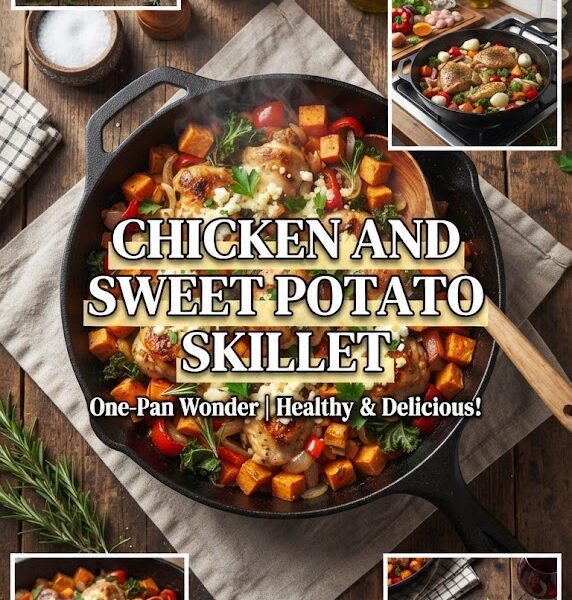
In the modern culinary landscape, the “one-pan meal” has ascended from a convenient weeknight hack to a celebrated art form. At the pinnacle of this movement sits the Chicken and Sweet Potato Skillet. This dish is more than just a combination of protein and starch; it is a symphony of textures, a balance of sweet and savory notes, and a nutritional powerhouse that satisfies both the palate and the body’s demands for clean energy.
Whether you are a busy professional looking for a 30-minute dinner, a fitness enthusiast tracking macros, or a home cook seeking a crowd-pleasing comfort meal, the chicken and sweet potato skillet is the answer. In this comprehensive guide, we will explore the science, the technique, and the infinite variations of this iconic dish.
The Anatomy of the Perfect Skillet Meal
What makes a skillet meal successful? It comes down to three pillars: efficiency, flavor concentration, and texture management.
When you cook chicken and sweet potatoes in a single heavy-bottomed skillet—ideally cast iron—you are creating a micro-environment where flavors mingle. The rendered fat from the chicken coats the potatoes, while the sugars from the sweet potatoes caramelize against the hot metal, creating a “fond” (the brown bits at the bottom of the pan) that serves as the base for an incredible natural sauce.
Why Sweet Potatoes?
Sweet potatoes are often hailed as a “superfood,” and for good reason. Unlike white potatoes, sweet potatoes are rich in beta-carotene, which the body converts into Vitamin A. They provide a steady release of energy due to their fiber content, preventing the blood sugar spikes often associated with refined carbohydrates. In a skillet, their natural sugars undergo the Maillard reaction, turning them into tender, golden nuggets of flavor.
Why Chicken?
Chicken is the ultimate culinary canvas. Whether you use breasts for a lean profile or thighs for a juicier, richer experience, chicken provides the essential amino acids needed for muscle repair. In a skillet setting, chicken acts as the savory anchor that balances the sweetness of the potatoes.
The Essential Ingredients: Quality Matters
To achieve a restaurant-quality result at home, you must start with the best ingredients. Here is a breakdown of what you need and why.
1. The Protein
- Chicken Thighs (Recommended): Boneless, skinless thighs are forgiving. They contain more connective tissue and fat, meaning they stay moist even if they spend an extra minute in the pan.
- Chicken Breasts: If you prefer lean meat, ensure you dice them into uniform cubes and avoid overcooking. A quick brine in salt water for 15 minutes can help retain moisture.
2. The Star Carb
- Jewel or Garnet Sweet Potatoes: These are the most common varieties in the USA and have a deep orange flesh that becomes creamy when cooked.
- Pro Tip: Leave the skin on for extra fiber and a rustic texture, but ensure you scrub them thoroughly.
3. The Aromatics
- Red or Yellow Onion: These provide a base layer of sweetness.
- Garlic: Freshly minced garlic is non-negotiable. Avoid the pre-minced jars, as they lack the pungent “bite” required to cut through the sweetness of the potato.
4. The Fats
- Extra Virgin Olive Oil: For heart-healthy fats and a fruity undertone.
- Ghee or Butter: Adding a tablespoon of ghee at the end creates a silky finish and aids in browning.
5. The Seasoning Profile
- Smoked Paprika: Adds a “grilled” flavor without a barbecue.
- Cumin: Provides an earthy depth.
- Fresh Rosemary or Thyme: These woody herbs pair exquisitely with poultry and root vegetables.
Step-by-Step: The Master Recipe
This method focuses on achieving the “Golden Ratio”: crispy chicken edges and caramelized potato exteriors with a fluffy center.
Ingredients List
- 1.5 lbs Boneless Skinless Chicken Thighs (1-inch cubes)
- 2 Large Sweet Potatoes (1/2-inch cubes)
- 1 Medium Red Onion (diced)
- 4 Cloves Garlic (minced)
- 2 Cups Fresh Spinach or Kale
- 3 Tbsp Olive Oil
- 1 Tsp Smoked Paprika
- 1 Tsp Dried Oregano
- 1/2 Tsp Chili Flakes (optional)
- Salt and Black Pepper to taste
- Fresh Parsley and Lemon Wedges for garnish
Instructions
Step 1: Prep and Season
The secret to a great skillet is uniform cutting. If your potato chunks are too large, the chicken will dry out before the potatoes are soft. Keep potatoes at 1/2-inch and chicken at 1-inch. In a large bowl, toss the chicken with half the olive oil, paprika, oregano, salt, and pepper. Let it marinate for 10 minutes while you prep the vegetables.
Step 2: The Sear
Heat a large 12-inch skillet (cast iron is best) over medium-high heat. Add a tablespoon of oil. Once the oil shimmers, add the chicken in a single layer. Do not crowd the pan. If the pan is too small, cook in batches. Let the chicken sear undisturbed for 3-4 minutes to develop a crust. Flip and cook for another 2 minutes. Remove the chicken from the pan and set it aside on a plate (it doesn’t need to be fully cooked yet).
Step 3: The Potato Roast
Add the remaining oil to the same pan. Toss in the sweet potatoes and onions. Spread them out and cover the skillet with a lid for about 5-7 minutes. This traps steam, softening the potatoes quickly. Remove the lid and turn the heat up slightly. Sauté for another 5 minutes until the potatoes are golden and fork-tender.
Step 4: Aromatics and Integration
Push the potatoes to the edges of the pan. Add the minced garlic and chili flakes to the center. Cook for 60 seconds until fragrant. Add the seared chicken (and any juices from the plate) back into the skillet. Stir everything together.
Step 5: The Green Finish
Fold in your spinach or kale. The residual heat will wilt the greens in about 2 minutes. This adds a pop of color and a boost of Vitamin K and iron.
Step 6: The Deglaze and Garnish
Squeeze half a lemon over the pan. The acid will brighten the flavors and help lift any savory bits stuck to the bottom. Garnish with fresh parsley.
Nutritional Breakdown: Why Your Body Loves This Meal
The Chicken and Sweet Potato Skillet is a favorite among nutritionists and athletes because it hits the “Macro Trifecta.”
High-Quality Protein
A single serving typically provides 30–40 grams of protein. This is essential for muscle protein synthesis and keeping you satiated throughout the evening.
Complex Carbohydrates
Sweet potatoes provide “slow-burning” fuel. With a lower glycemic index than white bread or pasta, they prevent the “energy crash” that often follows a heavy meal.
Micronutrient Density
- Vitamin A: Over 100% of your daily requirement (from the sweet potatoes).
- Vitamin C: Boosts the immune system.
- Potassium: Helps with muscle function and blood pressure regulation.
- Fiber: Aids digestion and gut health.
Flavor Variations: Taking Your Skillet Around the World
One of the greatest strengths of the chicken and sweet potato skillet is its versatility. By swapping just a few spices and vegetables, you can travel the globe.
1. The Southwest Skillet
- Additions: Black beans, corn, and diced bell peppers.
- Spices: Swap oregano for cumin and chili powder.
- Toppings: Avocado slices, fresh cilantro, and a dollop of Greek yogurt (as a healthy sour cream substitute).
2. The Mediterranean Skillet
- Additions: Cherry tomatoes, Kalamata olives, and artichoke hearts.
- Spices: Use plenty of dried basil and lemon zest.
- Toppings: Crumbled feta cheese and a drizzle of balsamic glaze.
3. The Autumn Harvest Skillet
- Additions: Diced apples and toasted pecans.
- Spices: Add a pinch of cinnamon and fresh sage.
- Pro Tip: Use chicken sausage instead of thighs for a smokier, festive flavor.
4. The Spicy Honey Garlic Skillet
- The Sauce: Mix 2 tbsp honey, 1 tbsp sriracha, and 1 tbsp soy sauce (or coconut aminos).
- Technique: Pour this over the skillet in the last 2 minutes of cooking. The honey will caramelize, creating a sticky, addictive glaze.
The Best Equipment for the Job
While you can make this in a standard non-stick pan, investing in the right tools will elevate the dish from “good” to “extraordinary.”
Cast Iron Skillet
The cast iron skillet is the gold standard for this recipe. Its ability to retain high heat ensures that your chicken gets a true sear and your potatoes get those coveted crispy edges. Furthermore, cast iron adds a trace amount of iron to your food, which is a bonus for many diners.
Stainless Steel (All-Clad)
If you prefer a lighter pan, a high-quality stainless steel skillet is excellent for developing “fond.” You will need to be more diligent with oil to prevent sticking, but the flavor development is top-tier.
The Importance of a Sharp Chef’s Knife
Since this dish requires significant dicing (chicken, potatoes, onions, garlic), a sharp knife is a safety requirement. It ensures clean cuts that cook evenly.
Meal Prep and Storage: The Gift That Keeps on Giving
The Chicken and Sweet Potato Skillet is one of the few meals that arguably tastes better the next day. The flavors continue to meld in the refrigerator.
How to Store
Store leftovers in an airtight container for up to 4 days. If you are meal prepping for the week, portion the skillet into glass containers to maintain the best texture.
How to Reheat
- Microwave: Fast and convenient. Add a splash of water or chicken broth before heating to prevent the chicken from drying out.
- Skillet (Recommended): Reheat on the stovetop over medium heat with a teaspoon of olive oil. This will bring back some of the crispness to the potatoes.
- Air Fryer: A “secret” tip for leftovers. Toss the mixture in the air fryer at 350°F for 4-5 minutes. It tastes exactly like it was just cooked.
Freezing
While you can freeze this dish, sweet potatoes can sometimes change texture (becoming slightly grainy) when thawed. If you must freeze it, ensure it is in a vacuum-sealed bag and consume within 2 months.
Common Mistakes and How to Avoid Them
Even with a simple recipe, things can go wrong. Here is how to troubleshoot your skillet meal.
1. Soggy Potatoes
The Cause: Crowding the pan or using too much water/steam without high-heat finishing. The Fix: Make sure your potatoes have space. If they are touching each other too closely, they will steam rather than fry. Use a larger pan or cook in two batches.
2. Dry Chicken
The Cause: Cooking the chicken at the same time as the raw potatoes. The Fix: Always sear the chicken first, remove it, and then add it back at the end. Sweet potatoes take much longer to cook than chicken cubes.
3. Burnt Garlic
The Cause: Adding garlic at the beginning of the sauté. The Fix: Garlic burns easily and becomes bitter. Always add it during the last 60–90 seconds of the vegetable sauté process.
4. Lack of Flavor
The Cause: Under-salting. The Fix: Sweet potatoes absorb a lot of salt. Season the chicken separately and then season the potatoes as they cook. Don’t forget the acid (lemon or vinegar) at the end to “wake up” the flavors.
The Science of the Maillard Reaction
Why do we crave the browned edges of a sweet potato or the crust on a chicken thigh? It’s called the Maillard Reaction. This is a chemical reaction between amino acids and reducing sugars that gives browned food its distinctive flavor.
By using a skillet, you maximize the surface area of the food in contact with the heat source. When the chicken hits the hot oil, its proteins break down and recombine with the sugars to create hundreds of different flavor compounds. The same happens with the sweet potatoes. This is why a skillet meal will always taste deeper and more complex than a boiled or steamed version of the same ingredients.
Pairing Suggestions: Completing the Experience
If you’re serving this for a dinner party or a special date night, consider these pairings.
Beverage Pairings
- White Wine: A buttery Chardonnay or a crisp Sauvignon Blanc complements the sweetness of the potatoes.
- Beer: A pale ale or an IPA with citrus notes cuts through the richness of the chicken thighs.
- Non-Alcoholic: Sparkling water with a squeeze of lime and a sprig of fresh mint.
Side Dishes
Though this is a one-pan meal, you can stretch it further with:
- A crisp cucumber and radish salad.
- A side of roasted broccoli or asparagus.
- A light garlic herb focaccia.
Frequently Asked Questions (FAQs)
Can I use yams instead of sweet potatoes? In American grocery stores, the terms “yam” and “sweet potato” are often used interchangeably. True yams (from Africa/Asia) are starchier and less sweet. For this recipe, look for the orange-fleshed “sweet potatoes” for the best results.
Is this recipe Paleo and Whole30 compliant? Yes! As long as you use a compliant cooking oil (like olive oil, avocado oil, or ghee) and ensure your spices don’t have added sugar or fillers, this is a perfect Paleo and Whole30 meal.
Can I make this vegetarian? Absolutely. Replace the chicken with firm cubed tofu, chickpeas, or halloumi cheese. If using tofu, ensure you press the water out first to get a good sear.
What if I don’t have a skillet? You can use a large sheet pan. Toss everything in oil and spices and roast at 400°F (200°C) for 25-30 minutes, tossing halfway through. However, you won’t get the same “pan-sear” flavor as the stovetop method.
How do I make it more kid-friendly? Peel the sweet potatoes completely and cut them into smaller “fry” shapes. Tone down the chili flakes and perhaps add a small drizzle of maple syrup at the end to enhance the natural sweetness kids love.
Conclusion: The Ultimate Weeknight Hero
The Chicken and Sweet Potato Skillet represents the perfect intersection of health, convenience, and culinary satisfaction. It challenges the notion that healthy food must be bland or that “fast food” must come from a drive-thru.
By mastering the simple techniques of searing, steaming, and seasoning, you unlock a recipe that can be adapted for any season, any diet, and any level of hunger. It is a dish that respects your time and nourishes your body, making it a permanent staple in the modern American kitchen.
Next time you find yourself standing in front of the refrigerator with a pack of chicken and a couple of stray sweet potatoes, don’t just cook them—skillet them. Your taste buds, and your schedule, will thank you.