The Ultimate 2024 Guide to Making Money Online: 25+ Beginner-Friendly Ways to Start Earning Today
The dream of “making money while you sleep” or working from a beach in Bali has never been more attainable. We are living in a digital gold rush where the barriers to entry for starting a business or finding a side hustle have practically vanished. However, the sheer volume of information can be overwhelming. For every legitimate opportunity, there seems to be a “get rich quick” scheme lurking in the shadows.
If you are a beginner looking to dip your toes into the world of online income, you don’t need a computer science degree or a massive capital investment. What you need is a reliable roadmap, a bit of patience, and a willingness to learn.
This comprehensive guide breaks down the most effective, beginner-friendly ways to make money online, categorized by the level of effort and the type of skills required.
1. The Power of Freelancing: Trading Skills for Currency
Freelancing is the fastest way to start earning online because you are simply taking a skill you already have (or can learn quickly) and offering it to people who need it.
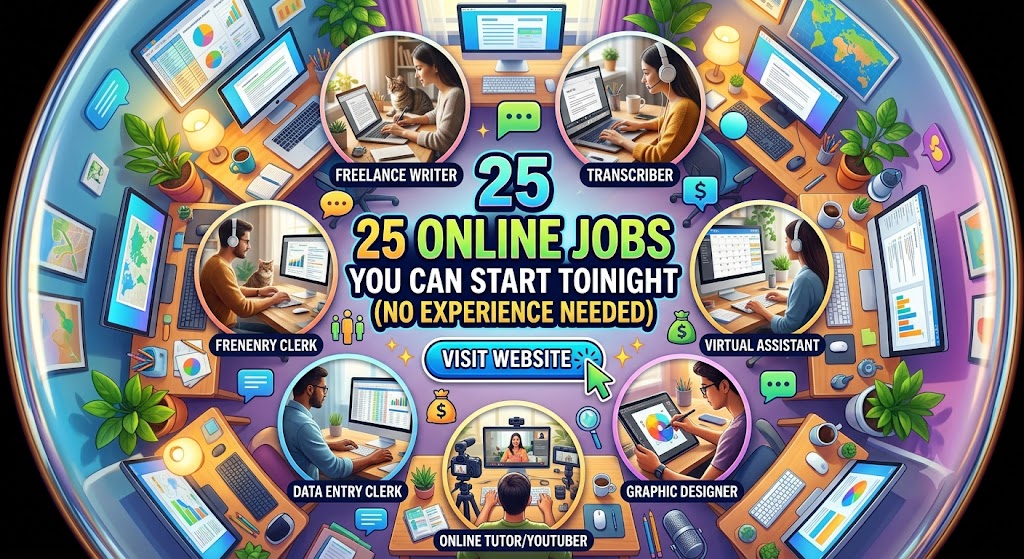
Freelance Writing and Content Creation
Every website, blog, and social media account needs words. If you can write a coherent sentence, you can get paid to write.
- The Niche Factor: Generalists get paid less. Specialists (Real Estate, Crypto, Health, SaaS) can charge premium rates.
- Where to Start: Platforms like Upwork and Fiverr are great for beginners, though competitive. For higher-paying gigs, check out ProBlogger Job Board or Contena.
- Pro Tip: Create a “Portfolio” on a free site like Medium or LinkedIn to show potential clients what you can do before they hire you.
Virtual Assistant (VA) Services
A Virtual Assistant is essentially a remote personal assistant. Businesses and influencers are often overwhelmed with administrative tasks and are happy to pay someone to take them off their plate.
- Common Tasks: Email management, scheduling appointments, data entry, social media posting, and basic customer service.
- Earnings: Beginners usually start at $15–$20/hour, but specialized VAs (technical or executive) can earn $50+/hour.
- Platforms: Fancy Hands, Belay, and Zirtual.
Graphic Design via Canva
You no longer need to be a Photoshop wizard to be a graphic designer. With tools like Canva, you can create stunning social media graphics, Pinterest pins, and YouTube thumbnails.
- How to Monetize: Offer “Social Media Branding Packages” to small business owners on Fiverr.
- The Upsell: Once you master the basics, learn basic branding psychology to charge more for your services.
2. Low-Barriers to Entry: The “Quick Wins”
If you need to make an extra $50 to $100 this week and don’t want to build a brand or learn a complex skill, these “micro-task” options are your best bet.
Website and App Testing
Companies need to know if their websites are user-friendly. They will pay you to browse their site while recording your screen and thinking out loud.
- UserTesting: This is the industry leader. You can earn $10 for a 20-minute test and up to $120 for live interviews.
- TryMyUI & Userlytics: Similar platforms that provide a steady stream of tests.
- Requirement: A decent microphone and a quiet room.
Micro-tasking on Amazon Mechanical Turk (MTurk)
MTurk is a marketplace for tasks that require human intelligence but are too small for a full-time employee—things like identifying objects in a photo or transcribing a 30-second audio clip.
- Reality Check: The pay per task is very low (often cents), but if you are fast, it can add up. It’s best used as a way to fill “dead time” (like commuting on a bus).
Paid Online Surveys (Done Right)
Surveys have a bad reputation for being low-paying, and rightfully so. However, if you use the right platforms, they can be a legitimate way to earn gift cards or small PayPal deposits.
- Proactive Platforms: Prolific and CloudResearch Connect are designed for academic research and pay much better than commercial survey sites.
- Avoid: Sites that promise you $100 per survey; those are almost always scams.
3. The Content Creator Economy: Building an Asset
Unlike freelancing, content creation is about building an “asset” that earns money over time. It takes longer to start, but the income potential is uncapped.
Starting a Niche Blog
Blogging isn’t dead; it has just evolved. People still use Google to solve problems, and if your blog provides the answer, you can make money.
- Monetization: Once you have traffic, you can earn through Display Ads (Mediavine, AdSense) or Affiliate Marketing.
- The Strategy: Don’t write a personal diary. Instead, write “How-to” guides or product reviews in a specific niche (e.g., “Ultralight Backpacking for Beginners”).
YouTube and Short-Form Video
With the rise of YouTube Shorts, TikTok, and Instagram Reels, you can grow an audience faster than ever before.
- Faceless Channels: You don’t even need to show your face. You can create “Cash Cow” channels using stock footage and AI voiceovers (though human voices usually perform better).
- Affiliate Links in Bio: Even with a small following, you can promote products and earn commissions.
Podcasting
If you have the “gift of gab,” podcasting is a high-growth area.
- How it makes money: Sponsorships, listener donations (Patreon), and selling your own products or coaching.
- Entry Level: Use the Spotify for Podcasters (formerly Anchor) app to record and distribute your show for free.
4. E-commerce: Selling Products Online
Selling physical or digital goods is one of the oldest ways to make money, but the internet has made it incredibly efficient.
Print-on-Demand (POD)
This is a low-risk way to sell physical products like t-shirts, mugs, and posters. You don’t hold any inventory.
- The Process: You upload a design to a site like Printful or Redbubble. When someone buys it, the company prints the item and ships it to the customer. You keep the profit margin.
- Why it’s great for beginners: Zero upfront cost for stock.
Selling Digital Products
Digital products are the “holy grail” of online business because you create them once and sell them infinitely with zero reproduction costs.
- Examples: PDF Planners, Budget Trackers, E-books, Notion Templates, or Lightroom Presets.
- Where to Sell: Etsy is a powerhouse for digital downloads. Gumroad is great for selling directly to an audience.
Amazon FBA (Fulfillment by Amazon)
This is more advanced but highly scalable. You find a product (often from a manufacturer in China), brand it as your own, and ship it to Amazon’s warehouses. Amazon handles the shipping and customer service.
- The Catch: You need some initial capital (usually $500–$2,000) to buy your first batch of inventory.
5. Affiliate Marketing: The “Middleman” Strategy
Affiliate marketing is the process of earning a commission by promoting other people’s products. It is perhaps the most popular way for beginners to start because you don’t have to deal with shipping, customer service, or product creation.
How it Works
- You find a product you like.
- You sign up for their affiliate program.
- You get a unique “affiliate link.”
- When someone clicks your link and buys, you get a percentage of the sale.
High-Ticket vs. Low-Ticket
- Low-Ticket: Promoting books on Amazon (earn 1-4% commission). You need massive volume to make a living.
- High-Ticket: Promoting software or luxury items (earn $50–$500 per sale). This is where the real money is for beginners with smaller audiences.
Where to Promote
- Pinterest: Create “idea pins” that link to products.
- YouTube Reviews: “Top 5 Best Laptops for Students.”
- Niche Newsletters: Build an email list and recommend products weekly.
6. Remote Specialized Services
If you have a professional background, you can transition those skills to the online space for high hourly rates.
Online Tutoring and Teaching
The global tutoring market is exploding. If you are good at math, science, or even a musical instrument, you can teach online.
- Language Teaching: Platforms like Preply and Italki allow you to teach English (or other languages) to students worldwide. You don’t always need a teaching degree; being a native speaker is often enough to start.
- Skillshare/Udemy: If you have a specific skill (like coding or cooking), you can record a course once and earn royalties every time a student enrolls.
Transcription and Translation
- Transcription: Converting audio to text. Sites like Rev or TranscribeMe are great places to start, though you need a high typing speed and good attention to detail.
- Translation: If you are bilingual, translation services are in high demand for legal documents, scripts, and marketing materials.
Social Media Management
Many small business owners know they should be on Instagram and TikTok, but they have no idea how to use them.
- The Job: Posting content, responding to comments, and growing the follower base.
- Getting Clients: Walk into a local business (like a coffee shop or a gym) and offer to manage their Instagram for a week for free. If you show results, they’ll likely hire you.
7. Maximizing Success: The Beginner’s Mindset
Making money online is simple, but it isn’t easy. Most people fail because they quit too soon or fall for scams. To succeed, follow these three golden rules:
Rule 1: Choose ONE Method and Stick to It
The biggest trap for beginners is “Shiny Object Syndrome.” You start a blog, get bored, try dropshipping, get frustrated, and move to crypto. Pick one method and commit to it for at least 90 days before judging the results.
Rule 2: Focus on Value, Not Just Dollars
The internet rewards those who provide value. If you write a blog post that truly helps someone, they will trust your affiliate recommendations. If you provide excellent VA services, your client will give you a raise or refer you to others.
Rule 3: Invest in Your Education (Cautiously)
You don’t need a $2,000 “Mastermind” course to start. Most information is available for free on YouTube. However, as you start making money, reinvest a portion of it into a specialized course or better tools (like a better microphone or a premium keyword research tool).
8. Identifying and Avoiding Online Scams
As you search for online work, you will encounter predators. Here is how to stay safe:
- Never Pay to Work: Legitimate employers or freelance platforms will never ask you for an “onboarding fee” or a “security deposit.”
- Be Wary of “Get Rich Quick”: If a program promises you $5,000 a week with “only 10 minutes of work,” it’s a scam.
- Check Reviews: Before signing up for a platform, search for “[Platform Name] + Reddit” or check Trustpilot.
- Protect Your Data: Don’t give out your Social Security Number or bank details until you have verified the legitimacy of the company.
9. Setting Up Your Digital “Office”
To be productive, you need more than just a laptop. Here are the essential (mostly free) tools for an online entrepreneur:
- Communication: Slack and Zoom for client meetings.
- Project Management: Trello or Notion to keep track of your tasks.
- Time Tracking: Clockify (free) to track how much time you’re spending on specific projects.
- Finance: Set up a separate PayPal or Stripe account to keep your business income separate from your personal spending.
10. Your 30-Day Action Plan
If you’re ready to start but don’t know the first step, follow this 30-day roadmap:
- Days 1-5: The Research Phase. Pick two methods from this list that align with your interests. Spend an hour a day watching YouTube videos about them.
- Days 6-10: The Setup Phase. Create your profiles. Set up your Upwork account, your Etsy shop, or your YouTube channel.
- Days 11-20: The Outreach Phase. If you’re freelancing, send 5-10 proposals a day. If you’re a content creator, produce your first 5 pieces of content.
- Days 21-30: The Refinement Phase. Look at what’s working. Did one of your Pinterest pins go viral? Did a client respond to a specific type of pitch? Double down on that.
Conclusion: The First Dollar is the Hardest
The most important thing to remember is that the first dollar you earn online is the hardest. It’s the proof of concept that changes your mindset from “Can I do this?” to “How can I scale this?”
The digital landscape is constantly changing, but the fundamental principle remains the same: find a problem, provide a solution, and use the internet to connect with the people who need it. Whether it’s through writing, selling, or assisting, your journey to financial freedom starts with a single click.
What are you waiting for? Pick a method and start today.