
50 Genius Money-Saving Hacks for Everyday Life
Financial freedom is rarely the result of a single windfall. Instead, it is the cumulative effect of hundreds of small, intentional decisions made every single day. We live in a world designed to separate us from our money through targeted ads, “one-click” ordering, and subscription models that bleed our bank accounts dry while we sleep. To combat this, you need a strategy. You need a toolkit of “stealth” saving techniques that allow you to live a rich life without the heavy price tag.
This guide isn’t about deprivation; it’s about optimization. Below are 50 genius money-saving hacks categorized by every aspect of your life—from the grocery aisle to your monthly utility bills—designed to help you claw back thousands of dollars every year.
The Master Kitchen & Grocery Strategy
1. The “Reverse Meal Plan” Method
Most people look at recipes and then go buy the ingredients. This is a recipe for overspending. Instead, look at what you already have in your pantry and freezer. Plan your weekly meals based on those “anchor” ingredients and only buy the 2-3 items needed to complete the dish. This prevents food waste and slashes your grocery bill by 20-30%.
2. Decode the “Unit Price”
The big, bold price on the shelf is a distraction. Always look at the small print on the price tag: the unit price (price per ounce, gram, or sheet). Often, the “Family Size” box is actually more expensive per unit than the standard size. Use the unit price to find the true bargain every time.
3. Embrace the “Manager’s Special”
Grocers mark down meat, dairy, and bakery items that are approaching their “sell-by” date. This doesn’t mean the food is bad; it just means the store needs to move inventory. Buy these items and either cook them immediately or throw them in the freezer. You can often find high-quality organic proteins for 50% off.
4. Stop Paying for “Convenience” Cuts
Pre-cut watermelon, bagged salads, and shredded cheese carry a massive markup—sometimes up to 300%. Buying a whole block of cheese and shredding it yourself takes two minutes and saves you dollars every week. The same applies to whole chickens versus pre-cut breasts.
5. The “Bottom Shelf” Rule
Supermarkets place the most expensive, name-brand items at eye level. This is called “slotting.” To find the deals, look at the very top and very bottom shelves. Store brands and bulk options are hidden there because they offer lower profit margins for the store but higher value for you.
6. Frozen Over Fresh for Produce
Nutritionally, frozen vegetables are often superior to “fresh” ones because they are flash-frozen at the peak of ripeness. They are also significantly cheaper and won’t rot in your crisper drawer. Use frozen fruit for smoothies and frozen veggies for stir-fries to save a fortune on produce.
7. Regrow Your Veggies
Don’t throw away the ends of your green onions, leeks, or celery. Place the root ends in a small jar of water on your windowsill. Within a week, they will begin to regrow. You can “harvest” green onions indefinitely this way, effectively getting a lifetime supply for the price of one bunch.
8. Meatless Mondays (and Thursdays)
Meat is typically the most expensive part of a grocery bill. By swapping animal protein for beans, lentils, or chickpeas just two days a week, a family of four can save upwards of $100 a month. These plant-based proteins are shelf-stable, high in fiber, and incredibly cheap.
9. Never Shop Without a List (and a Full Stomach)
Shopping while hungry is a physiological trap that leads to impulse buys. Shopping without a list is a psychological trap that leads to “decision fatigue.” When you’re tired of making choices, you reach for the easiest, most expensive options. Stick to the list to keep your budget intact.
10. The 10-Minute Coffee Ritual
The “latte factor” is real. If you spend $5 a day on coffee, that’s $1,825 a year. Invest in a high-quality French press or a moka pot and a bag of premium beans. Your home-brewed coffee will taste better than the burnt mass-market stuff, and you’ll save enough for a vacation every year.
Slashing Housing & Utility Costs
11. The Programmable Thermostat Hack
Heating and cooling account for nearly 50% of your energy bill. A programmable or “smart” thermostat can save you 10% a year on heating and cooling. Set it to drop 7-10 degrees while you are at work or sleeping. You won’t feel the difference, but your bank account will.
12. Eliminate “Phantom Loads”
Even when turned off, electronics like TVs, computers, and coffee makers draw power if they are plugged in. This “standby power” can account for 5-10% of residential energy use. Use power strips to easily flip the switch on entire entertainment centers or home offices when not in use.
13. LED Everything
If you are still using incandescent bulbs, you are literally burning money. LEDs use 75% less energy and last 25 times longer. Replacing your home’s five most frequently used light fixtures with LED bulbs can save you $75 a year in electricity costs alone.
14. The Cold Water Laundry Rule
About 90% of the energy used by a washing machine goes toward heating the water. Modern detergents are designed to work perfectly well in cold water. Switching from hot to cold water can save you $60-$100 a year, and it’s much gentler on your clothes, making them last longer.
15. The “Sun-Powered” Dryer
Dryers are energy hogs. During the warmer months, use a drying rack or an outdoor clothesline. Not only does this save on electricity, but the UV rays from the sun act as a natural disinfectant and whitener for your linens.
16. Lower Your Water Heater Temperature
Most water heaters are set to 140°F (60°C) by default. This is often hotter than necessary and can lead to scalding. Lowering the temperature to 120°F (48°C) can save you up to $400 annually in energy costs while still providing plenty of hot water for showers.
17. Seal the “Invisible Holes”
Drafts around windows and doors are like leaving a window cracked all winter. Use weatherstripping or simple “draft snakes” (weighted fabric tubes) at the base of doors. This simple DIY fix can reduce your heating bill by 15%.
18. Low-Flow Showerheads
A high-efficiency showerhead can reduce your water usage by 25% to 60%. You won’t notice a change in pressure with modern “aerating” heads, but you will notice the decrease in both your water bill and the energy bill required to heat that water.
19. DIY Cleaning Supplies
Stop buying expensive brand-name cleaners. A mixture of white vinegar, water, and a few drops of essential oil can clean almost any surface in your home. Baking soda is a powerhouse for scrubbing sinks. You can replace $50 worth of chemicals with $5 worth of pantry staples.
20. The Library: Your Secret Media Center
Before you buy a book on Amazon or rent a movie on Prime, check your local library’s app (like Libby or Hoopla). You can borrow e-books, audiobooks, and movies for free on your phone. Many libraries also offer “Libraries of Things” where you can borrow power tools, sewing machines, or camping gear.
High-Impact Financial Habits
21. The 30-Day Rule for Impulse Buys
Whenever you feel the urge to make a non-essential purchase over $30, wait 30 days. Write it down on a list. Usually, after a month, the “dopamine hit” of the potential purchase has faded, and you’ll realize you don’t actually need it. This is the ultimate cure for buyer’s remorse.
22. Audit Your “Zombie” Subscriptions
We are living in the age of subscription fatigue. Use an app or manually scan your bank statement for recurring charges. Cancel anything you haven’t used in the last 30 days. That “free trial” you forgot to cancel could be costing you $15 a month for a service you don’t even enjoy.
23. Automate Your Savings
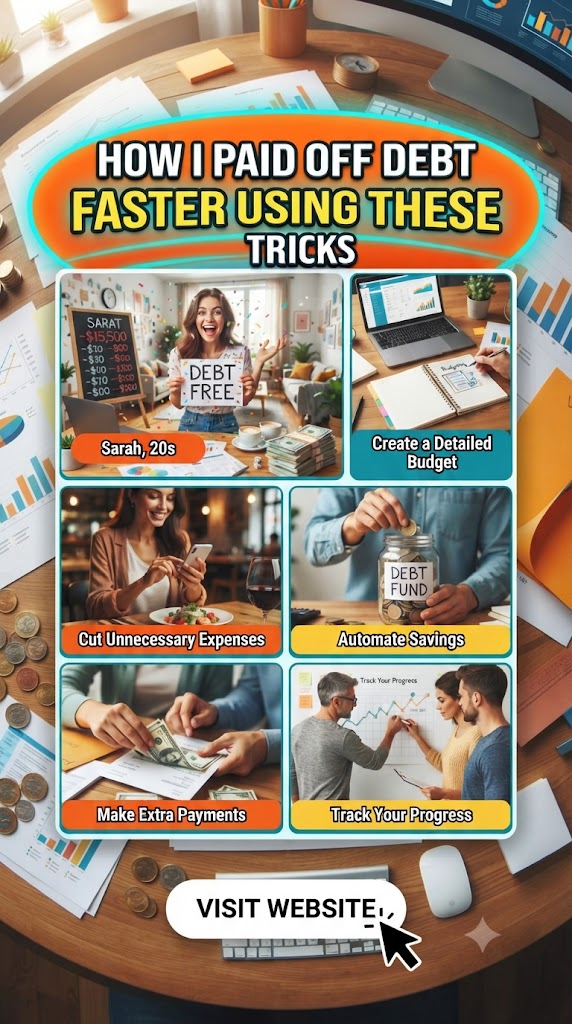
The biggest mistake people make is saving what is left over at the end of the month. There is never anything left over. Instead, set up an automatic transfer on payday that moves a set amount into a high-yield savings account. Treat your savings like a mandatory bill that must be paid.
24. Negotiate Your Recurring Bills
Your internet, cable, and insurance providers have “retention departments” whose job is to keep you from leaving. Call them once a year and say, “I’m looking at lower-priced competitors; what can you do to keep me as a customer?” You can often shave $20-$50 off your monthly bills with a 10-minute phone call.
25. Use a High-Yield Savings Account (HYSA)
Keeping your emergency fund in a standard big-bank savings account is a mistake; they pay nearly 0% interest. Move your money to an online HYSA where rates are often 10 to 20 times higher. It’s the same level of security (FDIC insured) but your money actually grows.
26. The “Round-Up” Strategy
Many banking apps offer a feature that rounds up every purchase to the nearest dollar and puts the change into a savings or investment account. It feels invisible, but these nickels and dimes can easily add up to $500 or more over the course of a year.
27. Cash-Back Stacking
Never shop online without a cash-back portal like Rakuten or a browser extension like Honey. These tools automatically find coupons and give you a percentage of your purchase price back in cash. Stack this with a cash-back credit card for a “triple win” on items you were going to buy anyway.
28. Refinance High-Interest Debt
If you are carrying a balance on a credit card with 20%+ interest, you are in a financial emergency. Look into a 0% APR balance transfer card or a lower-interest personal loan to consolidate the debt. This stops the bleeding and allows your payments to actually hit the principal balance.
29. The “Price Drop” Protection
Many credit cards and some retailers offer price protection. If you buy an item and the price drops within 30-90 days, they will refund you the difference. Apps like Earny can automate this process, scanning your emails for receipts and filing claims on your behalf.
30. Adopt a “No-Spend” Weekend
Once a month, challenge yourself to a weekend where you spend zero dollars. Use what’s in the pantry, go for a hike, host a board game night, or visit a free museum. It’s a great way to “reset” your spending habits and find joy in non-commercial activities.
Smart Shopping & Lifestyle Hacks
31. Buy Quality (The “Vimes” Theory)
The “Captain Samuel Vimes ‘Boots’ theory of socioeconomic unfairness” states that a rich person can buy a $50 pair of boots that lasts ten years, while a poor person can only afford $10 boots that last a season and ends up spending $100 over the same decade. For items you use every day, buy high quality so you only have to buy it once.
32. Thrift First, Buy New Last
Before buying furniture, kitchen gadgets, or clothes, check sites like Facebook Marketplace, Poshmark, or your local thrift store. You can often find high-end, name-brand items for 10-20% of their retail price.
33. Unsubscribe from Marketing Emails
Retailers spend millions on “permission marketing.” Every time a “Flash Sale” email hits your inbox, it tempts you to spend money you weren’t planning to. Use a service like Unroll.me to mass-unsubscribe and remove the temptation from your life.
34. Shop “Off-Season”
Buy your winter coat in April and your patio furniture in September. Retailers have limited warehouse space and will slash prices drastically to move out-of-season inventory. You can save 50-70% by simply being six months ahead of the calendar.
35. The “Generic” Medicine Hack
By law, generic medications must have the exact same active ingredients, strength, and dosage as name brands. Whether it’s ibuprofen or allergy meds, the “store brand” is chemically identical to the version that costs three times as much. Always check the active ingredients.
36. Use the “Incognito” Tab for Travel
Airlines and hotel sites often use “dynamic pricing” based on your browsing history. If they see you’ve searched for a flight three times, they may raise the price to create a sense of urgency. Always search for travel in an incognito or private browsing window to get the base rate.
37. Borrow Tools for One-Time Jobs
Need a power drill for one project? A pressure washer for an afternoon? Don’t buy it. Use an app like Fat Llama to rent it for a few dollars, or better yet, ask a neighbor. Most people are happy to lend tools in exchange for a small gesture or a future favor.
38. Gift Card Resale Sites
Before making a large purchase at a specific retailer (like Home Depot or Best Buy), check sites like Raise or CardCash. People sell unwanted gift cards at a discount. You can often buy a $100 gift card for $90, giving you an instant 10% discount on your purchase.
39. Rent Your Outfits
For weddings or black-tie events, don’t buy a dress or tuxedo that will sit in your closet for five years. Services like Rent the Runway allow you to wear high-end designer pieces for a fraction of the cost, saving you hundreds on items with low “cost-per-wear.”
40. Empty the “Digital Cart”
When shopping online, put items in your cart and then close the tab. Often, the retailer’s automated system will see the abandoned cart and email you a 10-15% discount code a day later to “nudge” you to complete the purchase.
Transportation & Travel Optimization
41. Maintain Your Tire Pressure
Driving with under-inflated tires is like dragging a weight behind your car. It increases rolling resistance and lowers fuel economy. Keeping your tires at the recommended PSI can improve your gas mileage by up to 3%, saving you a significant amount at the pump over a year.
42. The “Slow Down” Savings
Most cars reach peak fuel efficiency at around 50-55 mph. Every 5 mph you drive over 60 mph is essentially like paying an additional $0.20-$0.30 per gallon for gas. Using cruise control on the highway can also prevent unnecessary acceleration and braking, further boosting MPG.
43. Skip the Premium Gas
Unless your car’s manual explicitly states that “Premium Fuel is Required” (usually for high-performance turbocharged engines), using high-octane gas is a waste of money. Most modern engines are designed to run perfectly on “Regular” 87-octane fuel.
44. Bundle Your Insurance
If your home and auto insurance are with different companies, you are likely overpaying. Most insurers offer a “multi-policy discount” that can shave 15-20% off your total premiums. Always get a bundled quote every two years to ensure you’re getting the best rate.
45. Travel in the “Shoulder Season”
The “shoulder season” is the period between peak and off-peak travel (e.g., visiting Europe in September/October instead of July). The weather is still great, the crowds are gone, and flights and hotels are often 30-50% cheaper.
46. Pack Light to Avoid Fees
Budget airlines make their profit on baggage fees. Invest in a high-quality carry-on and learn to “capsule pack.” Avoiding even one checked bag fee per trip can save a family of four $240 on a round-trip flight.
47. Use Public Transit for the “Last Mile”
When traveling to a new city, skip the $60 Uber from the airport. Almost every major city has a train or bus link for under $5. It might take 20 minutes longer, but it’s a massive saving that pays for your first dinner of the trip.
48. Perform Your Own Minor Maintenance
You don’t need to be a mechanic to change your own cabin air filter or windshield wipers. A shop will charge $50-$100 for these services, whereas the parts cost $15 at an auto store and take five minutes to install using a YouTube tutorial.
49. Walk or Bike for Trips Under Two Miles
The most “expensive” miles your car drives are the short ones where the engine doesn’t have time to warm up. For errands under two miles, walk or bike. You’ll save on gas, reduce wear and tear on your vehicle, and get a free workout.
50. Sell Your “clutter” to Fund Your Goals
The average household has over $1,000 worth of unused items sitting in closets and garages. Use apps like Mercari, eBay, or Gazelle (for electronics) to turn your clutter into cash. Use that “found money” exclusively for your savings goals or to pay down debt.
Conclusion: The Path to Financial Mastery
Saving money is not about living a “small” life; it is about being an architect of your own freedom. By implementing even ten of these fifty hacks, you can easily redirect $3,000 to $5,000 a year back into your pocket.
The secret to success is consistency. Choose three hacks from this list and implement them today. Once they become a habit, come back and choose three more. Over time, these small shifts in behavior will compound, transforming your bank account and providing the financial peace of mind you deserve. Remember, every dollar you don’t spend is a dollar that can work for you in an investment account, eventually buying you the most precious commodity of all: time.