
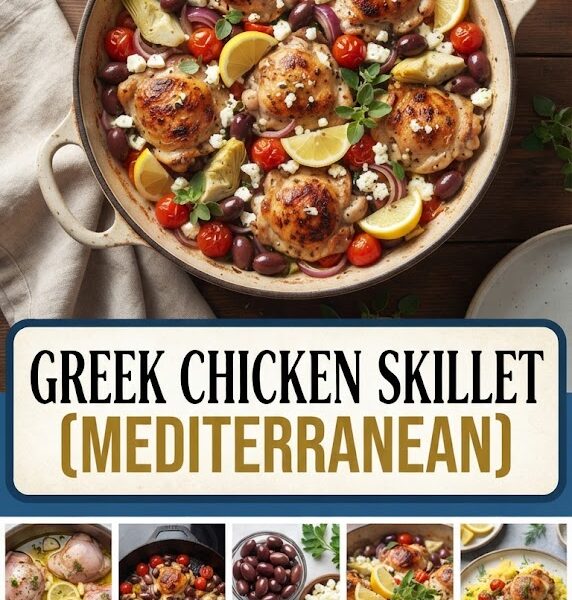
In the pantheon of quick, healthy, and flavor-packed dinners, few dishes command as much respect and adoration as the Greek Chicken Skillet. It is a vibrant tapestry of Mediterranean flavors—briny olives, tangy feta, zesty lemon, and aromatic oregano—all woven together in a single pan. This isn’t just a recipe; it’s a culinary philosophy that prioritizes fresh ingredients, balanced nutrition, and the kind of effortless elegance that makes a Tuesday night feel like a seaside vacation in Santorini.
Whether you are a seasoned home cook or a beginner looking to impress, the Greek Chicken Skillet is your secret weapon. It is naturally low-carb, high-protein, and fits perfectly within the Mediterranean diet, which is consistently ranked as the healthiest eating pattern in the world. In this comprehensive guide, we will dive deep into the anatomy of the perfect skillet, the science of flavor layering, and the secrets to achieving juicy chicken every single time.
The Mediterranean Philosophy: Why This Dish Works
The Mediterranean diet isn’t about restriction; it’s about the celebration of high-quality fats, lean proteins, and sun-ripened produce. The Greek Chicken Skillet embodies this by using extra virgin olive oil as its foundation and layering complex flavors that don’t rely on heavy creams or excessive sugars.
The magic lies in the “Mediterranean Trifecta”:
- Acidity: Provided by fresh lemon juice and red wine vinegar.
- Salt & Brine: Delivered through Kalamata olives and aged feta cheese.
- Aromatics: A heavy hand of garlic and dried Greek oregano.
When these elements meet high-heat searing and slow simmering, they create a pan sauce that is liquid gold.
Ingredients: Sourcing the Best for Maximum Flavor
To create a world-class Greek Chicken Skillet, the quality of your ingredients is paramount. Because the ingredient list is relatively short, each component must pull its weight.
1. The Protein: Chicken Thighs vs. Breasts
While you can use chicken breasts, boneless, skinless chicken thighs are the gold standard for this dish. Thighs contain more intramuscular fat, which means they remain juicy and tender even under high heat. If you prefer breasts, be sure to slice them into even cutlets to ensure quick, even cooking without drying out.
2. The Liquid Gold: Extra Virgin Olive Oil (EVOO)
Do not reach for vegetable or canola oil. You want a robust, peppery Greek olive oil. Look for “Cold Pressed” and “Single Origin” on the label. This oil doesn’t just prevent sticking; it becomes part of the sauce.
3. The Brine: Kalamata Olives
Authenticity matters here. Avoid the generic canned black olives. You want the almond-shaped, deep purple Kalamata olives, preferably packed in red wine vinegar. They offer a fruity, salty punch that defines the dish.
4. The Creaminess: Feta Cheese
If possible, buy a block of feta in brine rather than the pre-crumbled variety. Feta in brine is creamier, saltier, and melts into the sauce more gracefully. Traditionally, Greek feta is made from sheep’s milk or a blend of sheep and goat’s milk, which offers a sharper tang than cow’s milk versions.
5. The Aromatics and Veggies
- Garlic: At least four cloves. Use a garlic press or mince finely to release the oils.
- Red Onion: Provides a subtle sweetness and beautiful color.
- Bell Peppers: Red or yellow peppers add a crunch and a boost of Vitamin C.
- Cherry Tomatoes: These will burst during the cooking process, adding their sweet juices to the pan sauce.
- Fresh Herbs: While dried oregano is essential for the marinade, finishing with fresh parsley or dill adds a necessary brightness.
The Masterclass: Step-by-Step Construction
Creating a 5-star skillet meal is all about the “fond”—those brown bits that stick to the bottom of the pan after searing. Here is how to build your masterpiece.
Step 1: The Greek Marinade
Even 15 minutes of marinating can transform the chicken. In a bowl, whisk together:
- 3 tbsp Olive oil
- Juice of half a lemon
- 1 tbsp Dried Greek oregano
- 3 cloves of minced garlic
- Salt and cracked black pepper
Toss your chicken in this mixture and let it sit at room temperature while you prep your vegetables.
Step 2: The Perfect Sear
Heat a large heavy-bottomed skillet (cast iron is ideal) over medium-high heat. Add a splash of olive oil. Once shimmering, add the chicken.
- Pro Tip: Do not crowd the pan. If the chicken pieces are touching, they will steam instead of sear. Cook in batches if necessary.
- Sear for 5–6 minutes per side until a golden-brown crust forms. Remove the chicken and set it aside on a plate (it won’t be fully cooked yet).
Step 3: Sautéing the Aromatics
In the same pan, add the sliced red onions and bell peppers. Use the moisture from the vegetables to scrape up the “fond” (the brown bits) from the bottom of the pan. This is where the flavor lives. After 3–4 minutes, add the remaining garlic and the cherry tomatoes.
Step 4: Deglazing and Simmering
Add a splash of chicken broth or dry white wine (like an Assyrtiko or Sauvignon Blanc) to the pan. Add the olives and a sprinkle of more oregano. Nestling the chicken back into the pan, nestled among the vegetables.
Cover the skillet and reduce heat to medium-low. Let it simmer for about 8–10 minutes, or until the chicken reaches an internal temperature of 165°F (74°C).
Step 5: The Finishing Touches
This is the most critical step. Remove the pan from the heat.
- Crumble the Feta: Generously cover the dish in feta. The residual heat will soften the cheese but keep its shape.
- The Acid Hit: Squeeze the remaining half of the lemon over the entire skillet.
- Fresh Herbs: Shower the dish with chopped parsley or fresh dill.
- Final Drizzle: A final “finishing” drizzle of high-quality olive oil.
Nutritional Excellence: The Health Benefits
The Greek Chicken Skillet isn’t just delicious; it’s a powerhouse of nutrition. In the United States, where inflammatory diseases are on the rise, this meal offers a “clean” alternative to processed dinners.
- Heart Health: The monounsaturated fats in olive oil and the Omega-3s potentially found in pasture-raised chicken support cardiovascular health.
- Low Glycemic Index: Since this recipe avoids refined sugars and heavy starches, it is excellent for blood sugar management.
- Antioxidants: Lycopene from the cooked tomatoes, quercetin from the red onions, and the antimicrobial properties of garlic make this an immune-boosting meal.
- Weight Management: High protein content ensures satiety, reducing the likelihood of late-night snacking.
Variations: Adapting to Your Lifestyle
The beauty of the Greek Skillet is its versatility. You can tweak the recipe to fit various dietary needs without losing the Mediterranean essence.
The Low-Carb / Keto Version
The base recipe is already keto-friendly. To keep the carb count even lower, ensure you use a dry wine for deglazing and avoid adding starchy sides. Serve it over a bed of sautéed spinach or cauliflower rice to soak up the juices.
The “One-Pan Meal” with Orzo
If you aren’t watching your carbs and want a more filling meal, you can turn this into a Greek Chicken and Orzo Skillet.
- After sautéing the vegetables, add 1 cup of dry orzo to the pan.
- Toast the orzo for 2 minutes, then add 2 cups of chicken broth.
- Place the chicken on top and simmer until the orzo has absorbed the liquid.
The Vegetarian Adaptation
Substitute the chicken with large cubes of halloumi cheese or chickpeas. If using halloumi, sear the cheese first until golden, remove it, and add it back at the very end so it maintains its signature “squeaky” texture.
The Spicy Twist
While not traditional, adding a pinch of red chili flakes or a spoonful of Calabrian chili paste can add a modern Mediterranean-fusion heat that cuts through the richness of the feta.
Troubleshooting: Common Mistakes to Avoid
- Soggy Vegetables: This usually happens if the pan isn’t hot enough or if you add the tomatoes too early. Ensure a high heat for the initial sear.
- Dry Chicken Breasts: If using breasts, use a meat thermometer. Pull them off the heat at 160°F; they will reach 165°F through carry-over cooking.
- Too Salty: Feta and olives are both very salty. Be cautious when adding extra sea salt to the marinade or the pan. Always taste before the final seasoning.
- Grey Chicken: If your chicken looks grey instead of golden, you likely crowded the pan. Give the meat space to breathe!
Pairing Suggestions: Completing the Experience
To turn this skillet into a full Mediterranean feast, consider these pairings:
Side Dishes
- Lemon Herb Rice: Basmati rice cooked with chicken stock, lemon zest, and fresh dill.
- Tzatziki: A cool cucumber-yogurt dip provides a refreshing contrast to the warm, savory chicken.
- Warm Pita Bread: Essential for scooping up the melted feta and tomato juices.
- Greek Salad (Horiatiki): A side of crisp cucumbers, peppers, and onions dressed in vinegar.
Wine Pairings
- White: A crisp Assyrtiko from Santorini is the traditional choice. Its high acidity and mineral notes mirror the lemon and olives. A Sauvignon Blanc or Pinot Grigio also works beautifully.
- Red: If you prefer red, go for something light and herbaceous like a Xinomavro or a Pinot Noir. Avoid heavy, oaky cabernets which will overwhelm the delicate herbs.
The Cultural Significance of the Greek Table
In Greece, eating is a communal act. “Philoxenia”—the love of strangers and the act of hospitality—is often expressed through food. The Greek Chicken Skillet reflects this spirit. It is a “peasant” style of cooking (in the best sense), meaning it uses humble, accessible ingredients to create something greater than the sum of its parts.
Historically, Greek cooking relied on what was available in the local garden and the village market. This “skillet” method evolved as a way to cook efficiently over a single heat source, preserving the nutrients and flavors of the harvest. When you cook this dish, you are participating in a culinary tradition that spans thousands of years.
Meal Prep and Storage
The Greek Chicken Skillet is a meal-prepper’s dream.
- Fridge: Store leftovers in an airtight container for up to 4 days. The flavors actually intensify the next day as the chicken continues to marinate in the sauce.
- Reheating: Reheat gently on the stove over low heat with a splash of water to loosen the sauce. Avoid the microwave if possible, as it can make the chicken rubbery and the feta “rubbery.”
- Freezing: While you can freeze it, the texture of the tomatoes and cucumbers (if added) will change. It is best enjoyed fresh or from the fridge.
The Ultimate Recipe Card (Summary for the Cook)
Prep time: 15 mins | Cook time: 25 mins | Total time: 40 mins | Servings: 4
Ingredients Recap:
- 1.5 lbs Chicken Thighs (boneless/skinless)
- 1 Red Onion (sliced)
- 1 Red Bell Pepper (sliced)
- 1 cup Cherry Tomatoes (halved)
- 1/2 cup Kalamata Olives (pitted)
- 1/2 cup Feta Cheese (crumbled)
- 4 cloves Garlic (minced)
- 2 tbsp Dried Oregano
- 1 Lemon (juiced)
- 1/4 cup Fresh Parsley
- 1/4 cup Extra Virgin Olive Oil
Quick Instructions:
- Marinate chicken with oil, half the lemon, oregano, and garlic.
- Sear chicken in a hot skillet until golden. Remove.
- Sauté onions and peppers in the same pan.
- Deglaze with a splash of broth or wine. Add tomatoes and olives.
- Simmer chicken back in the pan for 10 minutes (covered).
- Garnish with feta, remaining lemon juice, and parsley.
Frequently Asked Questions
Can I make this in a slow cooker? While you can, you will lose the wonderful texture of the seared chicken and the “pop” of the cherry tomatoes. If you must use a slow cooker, sear the chicken in a pan first, then cook on low for 4 hours, adding the feta and lemon at the very end.
What is the best substitute for Kalamata olives? Castelvetrano olives are a great substitute if you want a milder, more buttery flavor. If you dislike olives entirely, try adding capers for that essential salty “pop.”
Is this dish gluten-free? Yes, the standard Greek Chicken Skillet is naturally gluten-free. Just ensure your chicken broth (if used) is certified gluten-free.
Can I use frozen chicken? Yes, but ensure it is completely thawed and patted dry with paper towels before searing. Excess moisture is the enemy of a good sear.
Conclusion: A Staple for Your Kitchen
The Greek Chicken Skillet is a masterclass in efficiency and flavor. It proves that you don’t need a hundred ingredients or five different pots to create a meal that is healthy, gourmet, and deeply satisfying. By focusing on the quality of your olive oil, the sear of your chicken, and the balance of acid and salt, you can bring a taste of the Mediterranean to your dining room table any night of the week.
This dish is more than just fuel; it’s an invitation to slow down, enjoy the process of cooking, and savor the bold, bright flavors of Greece. Whether you’re serving it to your family or hosting a dinner party, the Greek Chicken Skillet is guaranteed to be a recurring favorite in your culinary repertoire. Enjoy the journey, and Kali Orexi (Bon Appétit)!