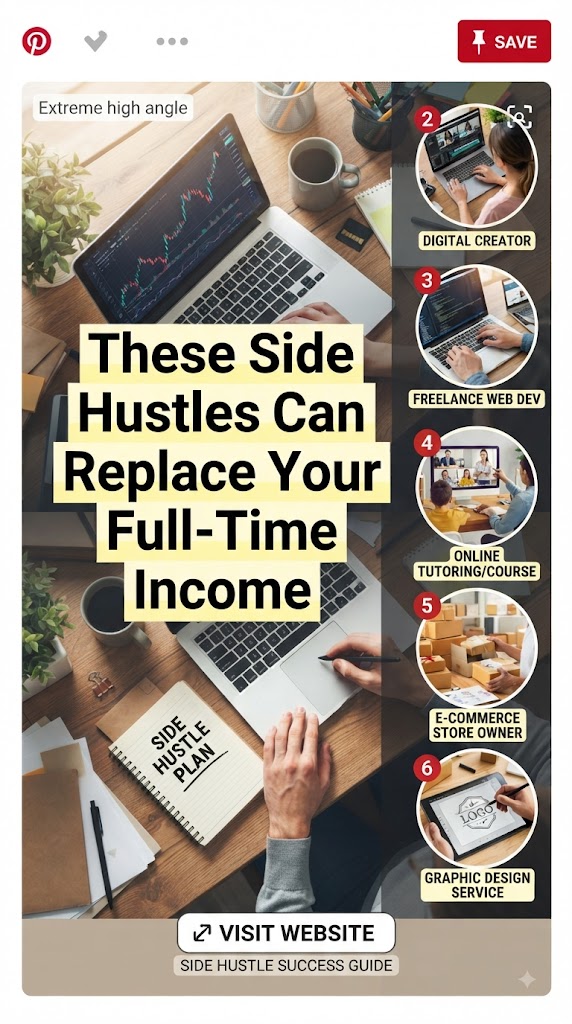
The Ultimate Blueprint: How to Start Making Money Online Today
The dream of “making money while you sleep” or working from a sun-drenched beach in Bali has transitioned from a fringe fantasy to a tangible reality for millions. The digital economy is no longer a playground for tech-savvy elites; it is a sprawling, multi-trillion-dollar landscape where anyone with an internet connection and a dash of persistence can carve out a lucrative niche.
But here is the hard truth: the internet is also filled with “get rich quick” schemes, hollow promises, and outdated advice. To truly succeed, you need more than just a laptop; you need a strategy. This comprehensive guide will strip away the fluff and provide you with a high-octane roadmap to starting your online income journey today. Whether you are looking for an extra $500 a month or a complete career overhaul, the path starts here.
1. The Immediate Wins: Earning Your First Dollar within 24 Hours
If you are starting from zero and need money immediately, you don’t have time to build a blog or launch a YouTube channel. You need to leverage “Active Income” platforms. These sites act as marketplaces connecting tasks with workers.
Micro-Tasking and Crowdsourcing
Platforms like Amazon Mechanical Turk (MTurk) and Clickworker allow you to perform small tasks—known as Human Intelligence Tasks (HITs)—that AI still struggles with. This includes identifying objects in photos, transcribing short audio clips, or verifying data.
- The Pro: You can start almost instantly.
- The Con: The pay per task is low, but it builds momentum.
User Testing: Get Paid for Your Opinion
Companies are desperate to know how users interact with their websites and apps. Platforms like UserTesting, TryMyUI, and Userlytics pay you to navigate a site while speaking your thoughts aloud.
- Earnings: Typically $10 for a 20-minute test.
- Strategy: Keep your profile updated and respond to screeners immediately; these opportunities go fast.
Online Surveys (The Right Way)
Most survey sites are a waste of time. However, Prolific and Google Opinion Rewards are exceptions. Prolific, in particular, focuses on academic research and ensures a fair hourly wage, unlike many “point-based” competitors.
2. The Freelance Revolution: Trading Skills for High-Ticket Fees
Freelancing is the fastest way to replace a full-time salary. You aren’t building a product; you are selling your expertise. The demand for digital services is at an all-time high as businesses shift to remote-first models.
Identifying Your “Monetizable” Skill
You likely already have a skill that someone is willing to pay for. Common high-demand areas include:
- Writing: SEO articles, copywriting (emails/sales pages), technical writing, and ghostwriting.
- Design: Social media graphics (Canva), logo design, UI/UX design.
- Digital Marketing: Managing Facebook ads, SEO auditing, or Pinterest management.
- Administrative Support: Virtual Assistants (VAs) who handle scheduling, email filtering, and data entry.
- Video Editing: With the explosion of TikTok and Reels, short-form video editors are in massive demand.
The Powerhouse Platforms
- Upwork: Best for long-term contracts and professional-grade projects.
- Fiverr: Excellent for “packaged” services (e.g., “I will design 3 Instagram posts for $50”).
- LinkedIn: The “hidden” goldmine. By optimizing your profile and reaching out to founders directly, you can bypass the competition found on bidding sites.
How to Scale Your Freelancing
Don’t just be a “writer.” Be a “SaaS White Paper Specialist.” Specialization allows you to charge 3x to 5x more than a generalist. Once your schedule is full, increase your rates and transition from “doing the work” to “consulting on the strategy.”
3. The Creator Economy: Building an Asset That Pays You
While freelancing is “trading time for money,” content creation is about “building an asset.” It takes longer to see a return, but the ceiling is virtually non-existent.
The Modern Blog (Niche Sites)
Blogging isn’t dead; it has evolved. Instead of a personal diary, think of a blog as a “Resource Hub.”
- The Strategy: Find a “low competition, high intent” niche. Instead of “Travel Tips,” try “Camping Gear for Extreme Cold.”
- Monetization: Use Google AdSense or Ezoic for display ads, and Amazon Associates for affiliate links.
YouTube: The Search Engine of Video
YouTube is the second-largest search engine in the world. You don’t even need to show your face (Face-less channels are booming).
- Content Types: Tutorials, “Top 10” lists, video essays, or documentary-style storytelling.
- The Goal: Reach 1,000 subscribers and 4,000 watch hours to enter the AdSense program, then pivot to sponsorships and merchandise.
Podcasting
If you have the “gift of gab,” a podcast can be a direct line to a high-value audience. Monetization comes through sponsorships (CPM model) or by funneling listeners to your own products or services.
4. E-Commerce and Digital Products: Selling at Scale
The goal of e-commerce today is to minimize “inventory risk.” You want to sell products without having a garage full of boxes.
Print on Demand (POD)
With services like Printful or Redbubble, you upload a design, and they handle the printing, shipping, and customer service. You only pay when a customer makes a purchase.
- Hot Markets: Custom t-shirts, mugs, phone cases, and wall art.
Digital Products: Create Once, Sell Forever
This is the holy grail of online income. Because there is no manufacturing cost, your profit margin is nearly 100%.
- E-books: Solve a specific problem (e.g., “The 30-Day Keto Meal Plan”).
- Templates: Notion templates, Excel spreadsheets for budgeting, or Canva templates for real estate agents.
- Online Courses: If you are an expert at something (coding, gardening, playing the ukulele), host a course on Teachable or Udemy.
Drop-servicing
This is a twist on dropshipping. Instead of selling physical products, you sell a service (like logo design) for $200 and then hire a freelancer on a cheaper platform to do the work for $50. You act as the project manager and the “face” of the agency.
5. Mastering Affiliate Marketing: The Art of the Recommendation
Affiliate marketing involves promoting other people’s products and taking a commission on every sale. It is the most streamlined business model because you don’t have to deal with shipping, returns, or customer support.
The Affiliate Strategy
- Niche Authority: Don’t just post links everywhere. Build a presence on a platform (Blog, Instagram, YouTube) where people trust your opinion.
- High-Ticket vs. Low-Ticket: Selling a $2,000 software package with a 20% commission ($400) is often easier than selling 400 books for a $1 commission each.
- Email Marketing: This is the secret sauce. Collect emails by offering a freebie (a “lead magnet”). Once someone is on your list, you can recommend relevant products to them for years.
6. Remote Work: The Stability of a 9-to-5 with the Freedom of Home
If the volatility of freelancing scares you, seek a remote job. Many companies are now “remote-first,” meaning they have no physical office.
Where to Find Remote Jobs
- We Work Remotely: The gold standard for remote job boards.
- Remote.co: Curated lists of remote-friendly companies.
- FlexJobs: A paid service that vets every job to ensure there are no scams.
Roles in High Demand
- Customer Success Manager: Helping users get the most out of a software.
- Data Entry/Analyst: Perfect for those who love organization and spreadsheets.
- Online Tutor: Platforms like VIPKid or Chegg allow you to teach English or academic subjects to students worldwide.
7. The 5-Step “Launch Today” Checklist
To prevent “analysis paralysis,” follow this exact sequence to start your journey today:
- Inventory Your Skills: Write down 5 things people ask you for help with. This is your service or product idea.
- Pick One Platform: Don’t try to be on TikTok, LinkedIn, and Upwork at once. Pick the one that fits your skill. (e.g., Visuals? Instagram. B2B Services? LinkedIn. Writing? Medium/Blog.)
- Build a “Minimum Viable Portfolio”: If you’re a writer, write 3 sample articles on Medium. If you’re a designer, create 5 mock logos. You need proof of work.
- The “Power Hour” Outreach: Spend one hour every day reaching out to potential clients or engaging with your target audience. Consistency beats intensity every time.
- Reinvest Your First $100: Don’t spend your first earnings. Use them to buy a domain name, a better microphone, or a specialized course to level up your skills.
8. Avoiding the Traps: How to Spot Online Scams
The internet is full of predators. If you see these red flags, run:
- The “Pay to Work” Scam: If a company asks you to pay for “training,” “software,” or “inventory” before you can start working, it is almost certainly a scam.
- Unrealistic Earnings: “Earn $5,000 in your first week with no experience!” If it sounds too good to be true, it is.
- Vague Job Descriptions: Real jobs have specific requirements. Scams use generic language like “data processing” or “online assistant” without details.
- Unprofessional Communication: Watch for poor grammar, “Telegram-only” interviews, or requests for your bank password.
9. The Mindset of the Digital Entrepreneur
Making money online is a marathon, not a sprint. You will face “The Dip”—that period where you are putting in the work but not yet seeing the financial reward.
- Embrace Failure: Your first blog post will be bad. Your first freelance pitch will likely be ignored. This is part of the process.
- Continuous Learning: The digital landscape changes every month. Dedicate 30 minutes a day to reading industry news or learning a new tool (like AI prompting).
- Diversification: Once you have one steady stream of income, start a second one. This builds a “financial moat” that protects you from platform changes or algorithm shifts.
10. Conclusion: Your Journey Starts with One Click
The barrier to entry for making money online has never been lower, but the competition has never been higher. The difference between those who succeed and those who fail is execution.
You now have a list of quick wins, a guide to high-ticket freelancing, a blueprint for content creation, and a strategy for e-commerce. The information is in your hands. The only thing missing is your action.
Stop scrolling. Stop researching. Pick one method from this guide and commit to it for the next 30 days. Your future self—the one working from a coffee shop, setting their own hours, and watching their bank balance grow—is waiting for you to begin.
Start today.