In the fast-paced world of modern living, the dinner hour often feels like a hurdle rather than a highlight. Between professional obligations, fitness routines, and social commitments, the temptation to rely on takeout is ever-present. However, the secret to reclaiming your health, your budget, and your palate lies in the art of the meal prep. Enter the Cajun Butter Chicken Cutlet. This isn’t just another dry, bland chicken breast recipe. It is a vibrant, spice-forward, and buttery indulgence that stays juicy even after days in the refrigerator.
This comprehensive guide explores why Cajun Butter Chicken Cutlets are the ultimate weeknight savior, the science behind the perfect cutlet, and how you can master the meal-prep process to ensure a week of gourmet-level dining in minutes.
The Philosophy of the Perfect Chicken Cutlet
Before diving into the spices and the heat, we must understand the canvas: the chicken cutlet. A cutlet is more than just a slice of meat; it is a culinary technique designed for efficiency and texture. By slicing a chicken breast horizontally into thin pieces or pounding them to a uniform thickness, you achieve several goals:
- Reduced Cooking Time: Thin cutlets cook in a fraction of the time required for a whole breast, preventing the exterior from burning while the interior remains raw.
- Even Doneness: Uniform thickness ensures that every bite is cooked to the same degree of perfection.
- Maximum Surface Area: For a flavor-heavy profile like Cajun butter, more surface area means more room for spices to adhere and more area for the butter to glaze.
In the context of meal prepping, the cutlet is king. It reheats more evenly than thick breasts, which often become rubbery in the microwave.
Understanding the Cajun Flavor Profile
Cajun cuisine is a robust, rustic style of cooking born out of the swamps and bayous of Louisiana. It is distinct from its cousin, Creole cooking, in its “country” feel and its heavy reliance on the “Holy Trinity” (onions, bell peppers, and celery) and bold, earthy spices.
The Cajun spice blend used for these cutlets is a symphony of flavors:
- Paprika: Provides a deep, smoky base and a rich red color.
- Cayenne Pepper: The source of the “kick.” It can be adjusted based on your heat tolerance.
- Garlic and Onion Powder: These provide the savory, umami depth that rounds out the spice.
- Dried Oregano and Thyme: These earthy herbs add a floral, Mediterranean undertone that balances the heat.
- Black and White Pepper: For a multi-dimensional “bite” that hits different parts of the tongue.
When these spices meet melted butter, they bloom. The fats in the butter carry the fat-soluble flavor compounds in the spices, coating the chicken in a velvety, spicy sauce that is addictive and satisfying.
The Essential Ingredients List
To create the ultimate Cajun Butter Chicken Cutlet, quality matters. Here is what you will need for a week’s worth of high-protein meals:
The Protein
- 2-3 lbs Chicken Breasts: Look for air-chilled chicken if possible, as it retains less water and sears better.
- Alternative: Chicken thighs can be used, though they require slightly longer cooking times and have a higher fat content.
The Cajun Dry Rub
- 3 tbsp Smoked Paprika
- 1 tbsp Garlic Powder
- 1 tbsp Onion Powder
- 1 tsp Cayenne Pepper (adjust for heat)
- 1 tsp Dried Oregano
- 1 tsp Dried Thyme
- 1 tsp Kosher Salt
- 1 tsp Cracked Black Pepper
The Finishing Sauce
- 4 tbsp Unsalted Butter: High-quality grass-fed butter (like Kerrygold) offers a richer flavor.
- 3 cloves Garlic: Freshly minced.
- 1 tbsp Lemon Juice: To cut through the richness.
- Fresh Parsley: For garnish and brightness.
Cooking Fat
- Avocado Oil or Grapeseed Oil: You need an oil with a high smoke point for searing. Avoid extra virgin olive oil for the initial sear as it may smoke and become bitter.
Step-by-Step: Crafting the Cajun Butter Chicken Cutlet
1. Preparation and Fabricating the Cutlets
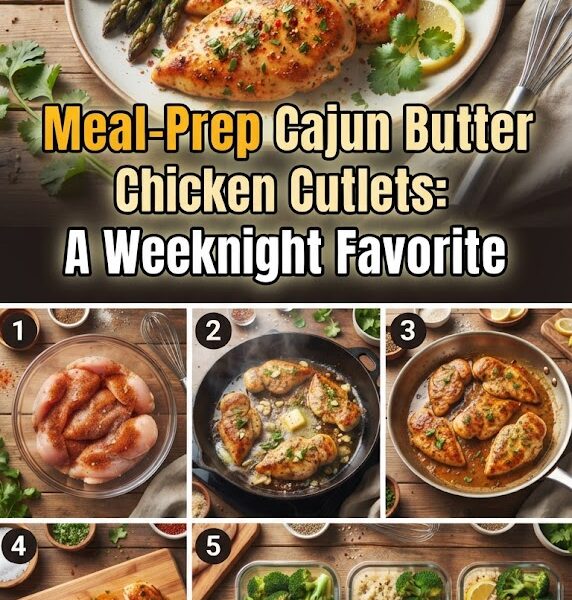
Start with cold chicken breasts. Place your hand flat on top of the breast and use a sharp chef’s knife to slice horizontally through the middle. If the pieces are still uneven, place them between two sheets of plastic wrap and gently pound them with a meat mallet or the bottom of a heavy skillet until they are about 1/2 inch thick. Pat the chicken extremely dry with paper towels. Moisture is the enemy of a good sear.
2. The Seasoning Process
In a small bowl, whisk together all the dry spices. Generously coat each cutlet on both sides. Don’t be afraid to press the spices into the meat with your fingers. Let the seasoned chicken sit at room temperature for about 10–15 minutes. This allows the salt to penetrate the meat, ensuring it’s seasoned from the inside out.
3. The Sear
Heat a large cast-iron or stainless-steel skillet over medium-high heat. Add two tablespoons of high-smoke-point oil. Once the oil is shimmering (but not smoking), add the chicken cutlets. Do not overcrowd the pan; work in batches if necessary.
Sear for 3–4 minutes per side. You are looking for a dark, “blackened” crust that is characteristic of Cajun cooking. Because the cutlets are thin, they should be fully cooked (reaching an internal temperature of 165°F) by the time the second side is browned.
4. The Butter Baste
Once all the chicken is cooked, remove it from the pan and lower the heat to medium. Add the butter to the same skillet, allowing it to pick up the browned bits (fond) left behind by the chicken. Once the butter is melted and foaming, add the minced garlic. Sauté for only 30 seconds until fragrant—do not let it burn.
Whisk in the lemon juice, then return the chicken cutlets to the pan. Spoon the garlic butter over the chicken for about a minute, letting the sauce thicken slightly and glaze the meat. Remove from heat immediately.
Meal-Prep Mastery: Storing and Porting
The beauty of Cajun Butter Chicken Cutlets lies in their versatility. To meal prep effectively, you must consider the “Side Dish Synergy.”
Portioning for the Week
Standard meal prep containers (BPA-free plastic or glass) are essential. For a balanced meal, follow the 40/30/30 rule: 40% vegetables, 30% protein, 30% complex carbohydrates.
- The Protein: Place one large or two small cutlets in each container.
- The Sauce: Do not leave the extra butter in the pan! Drizzle the remaining Cajun garlic butter over the chicken in the containers. This acts as a preservative for moisture during reheating.
Storage Timelines
- Refrigeration: These cutlets will stay fresh and flavorful for up to 4 days in an airtight container.
- Freezing: If you want to prep for the following week, these cutlets freeze remarkably well. Wrap individual cutlets in parchment paper before placing them in a freezer bag to prevent them from sticking together. They can be frozen for up to 2 months.
Top Side Dish Pairings for Cajun Chicken
To keep your taste buds excited throughout the week, vary your sides. The spicy, buttery profile of the chicken pairs well with both cooling and earthy flavors.
1. The Low-Carb Option: Cauliflower Rice & Roasted Broccolini
Sauté cauliflower rice with a little lime juice and cilantro to provide a bright contrast to the heavy Cajun spices. Roast the broccolini with lemon zest to add a bitter, crunchy element that cuts through the butter.
2. The Classic Southern Pairing: Garlic Mashed Potatoes & Collard Greens
Nothing soaks up Cajun butter like creamy mashed potatoes. If you’re not counting calories, this is the ultimate comfort meal. The acidity in vinegar-braised collard greens provides the perfect balance to the spice.
3. The Power Grain: Quinoa or Wild Rice
For sustained energy, pair your cutlets with a nutty wild rice pilaf. The texture of the grains stands up well to the sauce and holds up excellently during reheating.
4. The “Cajun Bowl”
Slice the prepped cutlets into strips and serve over a bed of black beans, corn, diced bell peppers, and avocado. This transforms the meal into a “Tex-Cajun” fusion that feels fresh and vibrant.
The Science of Reheating Without Drying Out
The biggest complaint about meal-prepped chicken is that it becomes “rubbery” or “woody” upon reheating. Here is how to avoid that with your Cajun cutlets:
- The Microwave Method: Place a damp paper towel over the container. This creates a small steam chamber that keeps the chicken moist. Heat on 70% power rather than 100%. This slower heating process prevents the proteins from tightening up too quickly.
- The Skillet Method (Preferred): If you have five minutes, reheat the cutlet in a dry skillet over medium heat. The residual butter in the chicken will melt and “re-fry” the exterior slightly, restoring that crust.
- The Air Fryer: 3 minutes at 350°F will revive the texture perfectly.
Nutrition and Dietary Considerations
Cajun Butter Chicken is naturally friendly to several dietary patterns, making it a versatile choice for households with different needs.
- Keto/Low-Carb: This recipe is naturally low in carbohydrates. By using butter and high-protein chicken, it fits perfectly into a ketogenic lifestyle. Simply pair with non-starchy vegetables.
- Gluten-Free: Unlike many fried chicken recipes, this cutlet uses a dry rub instead of breadcrumbs, making it 100% gluten-free.
- Dairy-Free/Paleo: Substitute the butter with ghee (clarified butter) or a high-quality vegan butter alternative. For a Paleo version, use avocado oil or coconut oil for the “butter” sauce.
Macro-Nutrient Breakdown (Approximate per serving)
- Calories: 350 kcal
- Protein: 42g
- Fats: 18g
- Carbohydrates: 3g
- Fiber: 1g
Advanced Pro-Tips for Culinary Excellence
If you want to take your Cajun Butter Chicken from “good” to “restaurant quality,” consider these expert tips:
1. The “Dry Brine” Technique
If you have time, season your chicken cutlets 24 hours in advance and leave them uncovered in the fridge on a wire rack. The salt draws out moisture, which then re-absorbs into the meat, seasoning it deeply. More importantly, the surface of the chicken becomes bone-dry, leading to the most incredible crust you’ve ever experienced.
2. Brown the Butter
Before adding your garlic and lemon to the finishing sauce, let the butter cook until the milk solids turn golden brown and smell nutty. This “Beurre Noisette” adds a layer of sophistication to the Cajun spice that is truly transformative.
3. Use a Meat Thermometer
Even with thin cutlets, a digital meat thermometer is your best friend. Pull the chicken off the heat at 160°F. Carry-over cooking will bring it to the safe 165°F mark while it rests, ensuring the meat remains succulent.
4. The Role of Acid
If the dish feels “heavy” or “too spicy,” it usually lacks acid. A final squeeze of fresh lime or lemon juice, or even a teaspoon of apple cider vinegar in the butter sauce, can brighten the entire flavor profile.
Why This Recipe Wins for Busy Families
Meal prepping is often associated with “boring” food—cold salads or plain steamed broccoli. The Cajun Butter Chicken Cutlet defies this stereotype. It provides the psychological satisfaction of a “cheat meal” while maintaining the nutritional profile of a fitness-focused plan.
For families, this recipe is a winner because it is customizable. You can sear a few cutlets with a milder seasoning for children while going full-throttle with the cayenne for the adults. It also minimizes kitchen cleanup; since the chicken is prepped in bulk, you only have one “big” cleanup night, leaving your weeknights free for relaxation.
Frequently Asked Questions
Can I use frozen chicken?
Yes, but ensure it is fully thawed and patted extremely dry. Frozen chicken often releases more water during cooking, which can steam the meat instead of searing it.
My spices are burning in the pan! What do I do?
The paprika and garlic powder in the rub can burn if the heat is too high. If you notice the pan smoking excessively or the spices turning black (bitter) rather than dark red (toasted), add a splash more oil to lower the surface temperature or turn the heat down to medium.
Is Cajun seasoning the same as Taco seasoning?
No. While they share some ingredients like cumin (sometimes) and chili powder, Cajun seasoning relies more heavily on peppers (cayenne, white, black) and dried herbs (thyme, oregano). Taco seasoning is typically more cumin and chili-heavy.
How do I make this spicy without the “burn”?
Focus on the smoked paprika and garlic, and omit the cayenne and white pepper. You will still get the “Cajun” essence without the heat.
Conclusion: Elevate Your Meal Prep Game
The Cajun Butter Chicken Cutlet represents the perfect marriage of Southern comfort and modern efficiency. By mastering the simple technique of the cutlet and embracing the bold world of Louisiana spices, you transform a standard protein into a culinary event.
Whether you are a seasoned meal-prepper or a beginner looking to save time during the work week, this recipe offers a reliable, delicious, and healthy foundation. Forget the bland chicken of the past. Embrace the butter, respect the spice, and turn your weeknight dinners into something truly extraordinary.
Invest one hour on a Sunday, and your future self will thank you as you sit down to a fragrant, spicy, and perfectly cooked meal every single night of the week. This is more than just a recipe; it’s a strategy for better living through better eating.
Shopping List Recap
To make your next trip to the grocery store easier, here is a quick list of the essentials for this recipe:
- Meat Department: 3 lbs Boneless Skinless Chicken Breasts.
- Dairy Aisle: High-quality unsalted butter (look for European style).
- Produce: Fresh garlic, 2 lemons, fresh Italian parsley, and your choice of vegetables (broccoli, asparagus, or bell peppers).
- Spice Aisle: Smoked paprika, garlic powder, onion powder, cayenne pepper, dried oregano, and dried thyme.
- Pantry: Avocado oil, Kosher salt, and a pepper grinder.
By keeping these staples in your kitchen, you are always less than thirty minutes away from a spectacular Cajun feast. Happy cooking!