
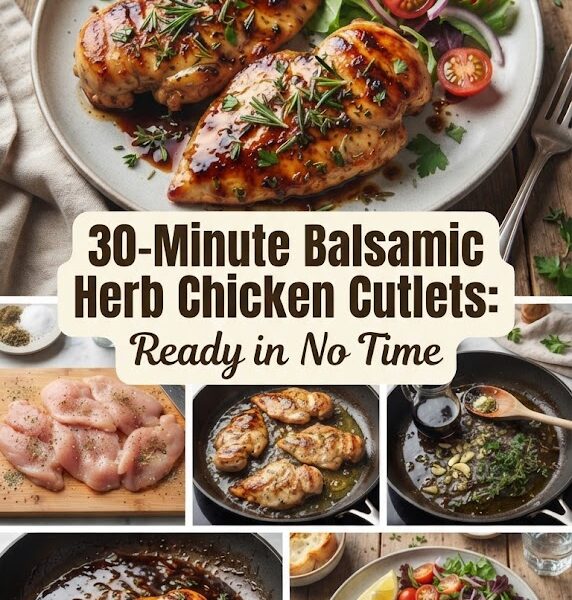
In the fast-paced world of modern living, the dinner table remains one of the few places where we can truly reconnect. However, the paradox of the modern kitchen is that we often lack the time to create the soulful, flavor-packed meals we crave. Enter the 30-Minute Balsamic Herb Chicken Cutlets. This dish isn’t just a recipe; it’s a strategic solution for the busy professional, the exhausted parent, and the home cook who refuses to compromise on quality.
This comprehensive guide explores every facet of this iconic dish—from the science of the Maillard reaction to the historical roots of balsamic vinegar, and from expert techniques to creative pairings. By the end of this article, you will not only have a recipe but a foundational understanding of how to elevate simple poultry into a gourmet experience in under half an hour.
Why the Chicken Cutlet is the King of Weeknight Dinners
Before we dive into the balsamic glaze and aromatic herbs, we must appreciate the vehicle: the chicken cutlet. A cutlet is simply a chicken breast that has been sliced thin or pounded out to an even thickness.
1. Speed of Cooking
Traditional thick chicken breasts are notorious for being difficult to cook. The outside often dries out before the center reaches the safe temperature of 165°F. Cutlets, being thin, cook in a fraction of the time—usually 3 to 4 minutes per side. This rapid cooking preserves the moisture inside the meat.
2. Flavor Surface Area
In culinary terms, surface area is king. By thinning the chicken, you increase the amount of surface area available for seasoning, searing, and glazing. Every bite of a balsamic herb cutlet is guaranteed to have a high ratio of flavorful crust to tender meat.
3. Versatility
The chicken cutlet is a blank canvas. While our focus today is on the tangy sweetness of balsamic and the earthiness of herbs, the techniques you learn here can be applied to lemon-caper sauces, mushroom gravies, or spicy chili glazes.
The Anatomy of the Perfect Balsamic Herb Glaze
What elevates this dish from a “simple chicken dinner” to a “Google-ranked favorite” is the glaze. A great balsamic glaze is a symphony of four key elements: acidity, sweetness, fat, and aromatics.
The Magic of Balsamic Vinegar
Not all balsamic vinegars are created equal. To master this recipe, it helps to understand what you’re working with:
- Aceto Balsamico Tradizionale: This is the “liquid gold” aged for 12 to 25 years. While exquisite, it is too expensive and thick for a pan sauce.
- Balsamic Vinegar of Modena (IGP): This is the workhorse of the kitchen. It has the right balance of acidity and sweetness to reduce beautifully in a hot skillet.
- White Balsamic: A milder, cleaner version that doesn’t darken the meat. Use this if you want a brighter aesthetic.
When the balsamic hits the hot pan, the acetic acid mellows, and the natural sugars begin to caramelize. This creates a syrupy consistency that clings to the chicken cutlets, providing a punch of umami that salt alone cannot achieve.
The Role of Fresh and Dried Herbs
Herbs provide the “soul” of the dish. For the best results, a combination of hardy and soft herbs is recommended:
- Rosemary and Thyme: These hardy herbs can withstand the heat of the sear. They infuse the oil and the chicken with woodsy, floral notes.
- Oregano: Adds a Mediterranean flare and a hint of bitterness that balances the sweet balsamic.
- Parsley: Always added at the very end as a garnish to provide a burst of freshness and color.
Essential Ingredients: A Detailed Shopping List
To ensure success, high-quality ingredients are paramount. Here is what you will need for the 30-Minute Balsamic Herb Chicken Cutlets:
- Chicken Breasts (1.5 lbs): Look for organic, air-chilled chicken if possible. Air-chilled poultry doesn’t have excess water weight, leading to a better sear.
- Balsamic Vinegar (1/2 cup): Use a decent quality Modena balsamic.
- Extra Virgin Olive Oil (3 tbsp): For searing.
- Garlic (4 cloves): Freshly minced. Do not use the jarred version; the flavor profile is significantly different.
- Honey or Brown Sugar (1 tbsp): To assist with the caramelization and balance the acidity.
- Dried Oregano (1 tsp): For that classic depth.
- Fresh Thyme and Rosemary (1 sprig each): For infusing the cooking oil.
- Chicken Broth or Dry White Wine (1/4 cup): To deglaze the pan.
- Butter (1 tbsp): The “secret” to a glossy, restaurant-quality sauce.
- Kosher Salt and Cracked Black Pepper: To taste.
Step-by-Step Instructions: Mastering the 30-Minute Timeline
Follow these steps meticulously to ensure your dinner is ready exactly when the clock hits the 30-minute mark.
Phase 1: Preparation (Minutes 0–10)
Step 1: Prep the Chicken. If you bought full chicken breasts, you need to butterfly them. Lay the breast flat, place your hand on top, and carefully slice through the middle horizontally. Once sliced, place the pieces between two sheets of plastic wrap and use a meat mallet (or a heavy skillet) to pound them to a uniform 1/2-inch thickness.
Step 2: Seasoning. Pat the chicken extremely dry with paper towels. Moisture is the enemy of a good sear. Season both sides generously with kosher salt, black pepper, and dried oregano.
Phase 2: The Sear (Minutes 10–20)
Step 3: Heat the Pan. Use a large stainless steel or cast-iron skillet. Avoid non-stick if possible, as it doesn’t allow for the formation of “fond” (the brown bits at the bottom of the pan that hold all the flavor). Heat the olive oil over medium-high heat until it shimmers.
Step 4: Searing the Cutlets. Place the chicken in the pan. Do not overcrowd; cook in batches if necessary. Let the chicken sear undisturbed for 3–4 minutes until a golden-brown crust forms. Flip and cook for another 3 minutes. Remove the chicken from the pan and set it aside on a plate.
Phase 3: The Balsamic Glaze (Minutes 20–30)
Step 5: Aromatics. Lower the heat to medium. In the same pan, add the minced garlic and the fresh rosemary/thyme sprigs. Sauté for 1 minute until fragrant, being careful not to burn the garlic.
Step 6: Deglaze and Reduce. Pour in the chicken broth or white wine. Use a wooden spoon to scrape up all those delicious brown bits from the bottom. Pour in the balsamic vinegar and honey. Let the liquid simmer and bubble.
Step 7: The Finish. Once the liquid has reduced by half and looks syrupy, whisk in the cold butter. This technique, known as monter au beurre, gives the sauce a velvety texture. Return the chicken and any accumulated juices to the pan. Coat the cutlets in the glaze for 1 minute.
Step 8: Garnish and Serve. Discard the herb sprigs. Sprinkle with fresh parsley and serve immediately.
The Science of Searing: Why “Fond” Matters
In culinary circles, we often talk about the Maillard reaction. This is a chemical reaction between amino acids and reducing sugars that gives browned food its distinctive flavor. When you sear your chicken cutlets in a hot pan, you aren’t just changing the color; you are creating hundreds of different flavor compounds.
As the chicken sears, small bits of protein and sugar stick to the pan. This is the fond. When you add the balsamic vinegar and broth (deglazing), you are effectively dissolving that concentrated flavor back into a sauce. This is why a 30-minute meal can taste like it has been simmering for hours.
Expert Tips for the Juiciest Chicken
Even with a 30-minute limit, small details make a big difference. Here are the pro-tips used by chefs to ensure their chicken is never dry:
1. The “Resting” Period
Never cut into your chicken immediately after it leaves the pan. Let it rest for 3 to 5 minutes. This allows the muscle fibers to relax and reabsorb the juices. If you cut it too soon, the juices will run out onto the plate, leaving the meat dry.
2. Don’t Over-Pound
When using a meat mallet, be gentle. You want an even thickness, not to pulverize the meat into a paste. If the fibers are broken too aggressively, the chicken will lose its structure.
3. Use a Meat Thermometer
While cutlets cook fast, a digital meat thermometer is the only way to be 100% sure. Pull the chicken out when it hits 160°F; carryover cooking will bring it to the FDA-recommended 165°F while it rests.
4. High Smoke Point Oils
While we love the flavor of extra virgin olive oil, it has a lower smoke point. If you find your kitchen getting too smoky, try a blend of olive oil and avocado oil, or use “light” olive oil for the initial sear.
Customizing the Recipe: Variations and Substitutions
Dietary restrictions or a lack of specific ingredients shouldn’t stop you from enjoying this meal.
- Keto/Low Carb Option: Replace the honey or brown sugar with a keto-friendly sweetener like Allulose or simply omit the sweetener. Balsamic vinegar has some natural sugars, but in moderation, it fits within a keto lifestyle.
- Paleo/Whole30: Use coconut aminos in place of the balsamic if you are strictly avoiding vinegar (though balsamic is generally accepted in some Paleo circles). Use ghee instead of butter.
- Vegan/Vegetarian: This balsamic herb glaze works wonders on thick slices of cauliflower “steak” or firm tofu cutlets. The cooking time for cauliflower will be slightly longer (about 6-8 minutes per side).
- Spice it Up: Add a pinch of red pepper flakes to the garlic for a “Balsamic Arrabbiata” feel.
- Creamy Version: Add 1/4 cup of heavy cream at the end for a creamy balsamic sauce that is incredibly indulgent.
What to Serve with Balsamic Herb Chicken Cutlets
To make this a complete meal, you need sides that complement the acidity of the balsamic.
The Classic Pairings
- Garlic Mashed Potatoes: The creamy texture of the potatoes is the perfect foil for the sharp balsamic glaze.
- Roasted Asparagus: Tossed in olive oil and lemon, asparagus provides a crunchy, earthy balance.
- Angel Hair Pasta: Toss the pasta directly into the pan with the extra glaze for a quick “Balsamic Pasta” side.
The Healthy Alternatives
- Quinoa Pilaf: Cook quinoa in chicken broth and toss with toasted pine nuts and spinach.
- Cauliflower Rice: A great low-carb base that soaks up the sauce beautifully.
- Arugula Salad: A simple bed of arugula with a lemon-truffle vinaigrette complements the richness of the chicken.
The Mediterranean Spread
Serve the cutlets alongside some roasted cherry tomatoes, olives, and a side of warm focaccia bread to mop up the remaining sauce.
Meal Prep and Storage Instructions
The Balsamic Herb Chicken Cutlet is a meal prep superstar. Because the sauce is acidic, it helps preserve the chicken and keeps it flavorful even after reheating.
- Fridge: Store in an airtight container for up to 4 days.
- Freezer: You can freeze the cooked cutlets in the sauce for up to 3 months. Thaw overnight in the refrigerator before reheating.
- Reheating: Avoid the microwave if possible, as it can make the chicken rubbery. Instead, place the cutlets in a skillet with a splash of water or chicken broth, cover with a lid, and heat over medium-low until warmed through. This “steams” the chicken back to life without drying it out.
Troubleshooting Common Issues
Even the best cooks run into trouble. Here is how to fix common mistakes:
- The Sauce is Too Thin: Continue to simmer the sauce without the chicken. It needs more time for the water to evaporate and the sugars to thicken.
- The Sauce is Too Salty: This often happens if the chicken broth used was high-sodium. Add a splash of water and a little more honey or a squeeze of lemon juice to balance it out.
- The Garlic Burned: If the garlic turns dark brown or black, it will be bitter. Unfortunately, the only fix is to wipe the pan and start the sauce over. Garlic only needs about 30-60 seconds of heat.
- The Chicken is Tough: This usually means it was overcooked or not pounded to an even thickness. Next time, use a thermometer and ensure the thickness is uniform.
The History of Balsamic Vinegar: A Quick Culinary Lesson
To truly appreciate this 30-minute meal, one must understand the heritage of its star ingredient. Balsamic vinegar originates from the Emilia-Romagna region of Italy, specifically the cities of Modena and Reggio Emilia.
Unlike wine vinegar, which is made from fermented wine, balsamic is made from “mosto” (grape must)—the juice of freshly crushed grapes, including the skins, seeds, and stems. This must is boiled down into a thick syrup and then aged in a series of wooden barrels (made from oak, chestnut, cherry, mulberry, and ash).
While the 30-minute recipe uses the “Commercial Grade” balsamic (which is vinegar-based with added cooked must), the flavor profile still carries the echoes of this ancient Italian tradition. By using it in your cooking, you are participating in a culinary history that dates back to the Middle Ages.
Nutritional Benefits of This Recipe
Beyond being delicious, this meal is packed with nutritional value:
- Lean Protein: Chicken breast is one of the best sources of high-quality protein, essential for muscle repair and satiety.
- Antioxidants: Balsamic vinegar contains polyphenols, which are antioxidants that can help protect the body from cell damage.
- Metabolism Boost: Some studies suggest that the acetic acid in vinegar can help stabilize blood sugar levels and improve digestion.
- Low Calorie: Compared to creamy sauces or breaded fried chicken, a balsamic glaze is relatively low in calories while being high in flavor.
The Importance of High-Quality Cookware
While you can make this in any pan, your choice of cookware affects the 30-minute timeline.
Stainless Steel (All-Clad style)
This is the gold standard for this recipe. It allows for perfect browning and the best fond production. It responds quickly to temperature changes, allowing you to go from searing heat to a gentle simmer for the sauce rapidly.
Cast Iron
Cast iron retains heat exceptionally well. If you use cast iron, you may need to lower the heat more than expected when adding the garlic to prevent burning, as the pan stays hot for a long time.
Non-Stick
If you must use non-stick, realize that you won’t get much “fond.” To compensate, you might want to add a bit more balsamic or a touch of Worcestershire sauce to the glaze to add the depth of flavor that the pan-bits usually provide.
Entertaining with Balsamic Chicken
If you are hosting a dinner party and want to use this “quick” recipe as your main course, here is how to make it look like a 5-star meal:
- The Plate Swipe: Use a spoon to “swipe” some of the thick balsamic glaze across the plate before placing the chicken on top.
- Color Contrast: Place the dark, glazed chicken against something bright, like a lemon-zest risotto or a vibrant green pea purée.
- Height: Don’t lay the cutlets flat. Lean them against a pile of mashed potatoes or roasted vegetables to create height on the plate.
- Microgreens: Instead of just chopped parsley, use micro-basil or pea shoots for a modern, sophisticated look.
How to Grow Your Own Herbs for This Recipe
The “Herb” part of “Balsamic Herb Chicken” is best when the herbs are fresh. Many of the herbs used in this recipe—rosemary, thyme, and oregano—are incredibly easy to grow at home, even in a small apartment.
- Rosemary: A hardy perennial that loves sunlight and well-drained soil. It’s drought-tolerant, making it perfect for forgetful gardeners.
- Thyme: This herb creeps and spreads, making it a beautiful addition to a window box. It has a delicate flavor that is far superior when fresh.
- Oregano: Warning: Oregano grows like a weed! Keep it in a pot to prevent it from taking over your garden.
Having these on hand means you can skip the grocery store “plastic clam-shell” herbs and have a sustainable source of flavor for every 30-minute meal you cook.
Global Variations: Balsamic Chicken Around the World
While the balsamic herb profile is distinctly Italian-American, similar concepts exist globally:
- France: The “Gastrique.” A gastrique is a classic French sauce made by reducing sugar and vinegar. Use apple cider vinegar and tarragon for a French twist on this recipe.
- Japan: “Chicken Teriyaki.” The principle is identical—a balance of sugar (mirin/sugar) and acid (vinegar/soy) reduced to a glaze.
- Philippines: “Chicken Adobo.” This uses a much higher ratio of vinegar and is a braise rather than a quick sear, but it highlights the global love for vinegar-based poultry.
The Final Word on 30-Minute Balsamic Herb Chicken Cutlets
In the realm of home cooking, success is measured by the ratio of effort to reward. The 30-Minute Balsamic Herb Chicken Cutlets offer one of the highest rewards in the culinary world. It is a dish that respects your time, utilizes accessible ingredients, and delivers a flavor profile that is both sophisticated and comforting.
By mastering the cutlet—pounding it thin, searing it hard, and glazing it with the sweet-tangy power of balsamic vinegar—you gain a skill that transcends this single recipe. You become a more confident cook, capable of whipping up a gourmet meal even on your most exhausted Tuesday evening.
Gather your ingredients, sharpen your knife, and get your skillet hot. A restaurant-quality dinner is only 30 minutes away.
Frequently Asked Questions (FAQs)
1. Can I use frozen chicken?
Yes, but it must be fully thawed before cooking. Pounding frozen or partially frozen chicken will ruin the texture and prevent an even sear.
2. Is this recipe gluten-free?
Generally, yes. However, check your balsamic vinegar and chicken broth labels. Some lower-end vinegars use caramel color or thickening agents that may contain gluten. Always use a gluten-free chicken broth.
3. Can I use chicken thighs?
Absolutely. Chicken thighs are more forgiving and harder to overcook. However, they take slightly longer (about 5-6 minutes per side) and you should look for boneless, skinless thighs.
4. My sauce became too thick and sticky. How do I fix it?
Simply whisk in a tablespoon of warm water or chicken broth. The heat from the pan will incorporate the liquid and thin the glaze back to your desired consistency.
5. Can I make this in an Air Fryer?
While you can cook chicken in an air fryer, you cannot make the balsamic pan sauce. To adapt, you would need to cook the chicken in the air fryer and prepare the balsamic reduction separately in a small saucepan on the stove.
6. What kind of honey is best?
A neutral honey like Clover or Wildflower is best. Avoid strongly flavored honeys like Buckwheat, as they might clash with the balsamic and herbs.
7. Why is my chicken white and not brown?
The pan wasn’t hot enough, or the pan was overcrowded. When chicken is crowded, it steams in its own juices rather than searing. Cook in two batches if your pan is small.
8. Can I add vegetables directly to the pan?
Yes! Mushrooms and bell peppers work wonderfully. Sauté them after you remove the chicken and before you add the garlic. They will soak up the balsamic glaze and become incredibly flavorful.
9. Is balsamic vinegar healthy?
In moderation, yes. It is low in fat and contains no cholesterol. However, it does contain natural sugars, so those monitoring their sugar intake should use it sparingly.
10. Can I use dried herbs instead of fresh?
Yes. The rule of thumb is 1 teaspoon of dried herbs for every tablespoon of fresh. Since dried herbs are more concentrated, they need to be added earlier in the cooking process (during the seasoning phase) to allow their flavors to hydrate and release.