Finding meals that are both healthy and kid-friendly can feel like a daily challenge. Kids can be selective about flavors, textures, colors, and even the way food is served. One day they may love broccoli, and the next day they may refuse to look at it!
The good news is that healthy meals for kids do not have to be complicated, expensive, or boring. With a little creativity, you can turn everyday ingredients into colorful, delicious meals that children actually want to eat.
The USDA’s MyPlate guidance encourages families to offer a variety of fruits, vegetables, grains, protein foods, and dairy or fortified soy alternatives while choosing foods with less added sugar, saturated fat, and sodium.
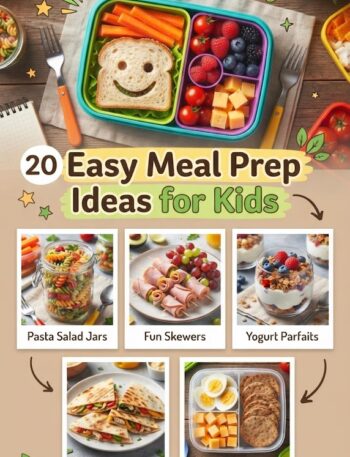
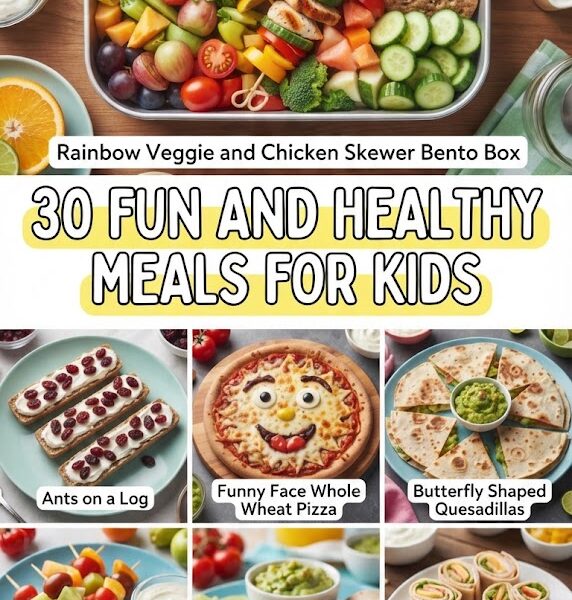
This guide features 30 fun and healthy meals for kids, including quick breakfasts, easy lunches, family dinners, nutritious snacks, and creative meal ideas for picky eaters. These recipes can be adapted for different ages, preferences, and dietary needs.
Whether you’re packing school lunches, planning busy weeknight dinners, or simply looking for new healthy food ideas for children, you’ll find plenty of inspiration here.
Why Healthy Meals for Kids Matter
Childhood is an important time for developing eating habits. Offering a variety of nutritious foods gives children opportunities to discover different flavors, textures, and ingredients.
A balanced eating pattern can include fruits, vegetables, whole grains, protein foods, and dairy or fortified alternatives. USDA MyPlate specifically encourages variety across these food groups and recommends choosing nutrient-dense foods while limiting excess added sugars, saturated fat, and sodium.
Healthy eating does not mean every meal needs to be perfect.
Instead, focus on the bigger picture. If your child eats a balanced variety of foods throughout the day and week, an occasional cookie, pizza night, or favorite treat can still fit into a healthy lifestyle.
The goal is to make nutritious foods enjoyable rather than turning mealtime into a battle.
30 Fun and Healthy Meals for Kids
1. Rainbow Chicken Wraps
Rainbow chicken wraps are colorful, easy to customize, and perfect for lunch.
Start with a whole-wheat tortilla and add cooked chicken, shredded lettuce, cucumber, shredded carrots, bell peppers, and a small amount of cheese. Add a simple yogurt-based dressing or hummus for extra flavor.
Cut the wrap into small pinwheels to make it more appealing to younger children.
Why Kids Love It
The bright colors make the meal fun, while the wrap provides protein, vegetables, and whole grains.
Easy Tip
Let your child choose three or four fillings. Giving kids a small amount of control can make them more interested in trying their meal.
2. Banana Berry Oatmeal
Oatmeal is an easy breakfast that can be customized in countless ways.
Cook rolled oats with milk or an appropriate milk alternative, then top with sliced banana, strawberries, blueberries, and a sprinkle of cinnamon.
For older children, you can add a small spoonful of nut or seed butter if it fits their dietary needs.
Make It Fun
Create a smiley face using banana slices and berries.
This simple presentation can turn ordinary oatmeal into a fun breakfast.
3. Mini Homemade Pita Pizzas
Pizza can absolutely be part of a balanced family meal.
Use whole-wheat pita bread as the crust and add tomato sauce, mozzarella cheese, mushrooms, bell peppers, spinach, tomatoes, or cooked chicken.
Bake until the cheese melts.
Kid-Friendly Idea
Set out several toppings and allow children to create their own mini pizzas.
This gives them a chance to participate in preparing dinner while experimenting with different vegetables.
USDA MyPlate also suggests homemade pizzas using whole-wheat English muffins or tortillas as a creative way to include whole grains.
4. Turkey and Avocado Roll-Ups
Turkey and avocado roll-ups make a simple lunch or after-school meal.
Spread mashed avocado over a whole-grain tortilla, add sliced turkey and lettuce, and roll tightly.
Slice into small pieces.
Serve with apple slices, berries, or cucumber sticks.
Healthy Meal Tip
Choose lower-sodium turkey when possible and compare nutrition labels when shopping.
5. Veggie Mac and Cheese
Mac and cheese is a classic kid favorite, but you can make it more nutrient-rich by adding vegetables.
Prepare whole-grain pasta and mix it with a cheese sauce. Add finely chopped broccoli, peas, carrots, or cooked cauliflower.
For children who are hesitant about vegetables, start with a small amount.
Over time, you can gradually increase the variety.
Why It Works
The familiar cheese and pasta flavors can make vegetables less intimidating.
6. Chicken and Vegetable Rice Bowls
Rice bowls are one of the easiest family meals to customize.
Start with brown rice or another whole-grain option. Add cooked chicken, corn, cucumber, shredded carrots, tomatoes, and avocado.
Serve everything separately for children who don’t like foods touching.
Family Dinner Hack
Put each ingredient into its own bowl and allow everyone to build their own dinner.
This can make healthy eating feel more like an activity.
7. Apple Cinnamon Overnight Oats
Overnight oats are perfect for busy school mornings.
Combine rolled oats with milk or fortified milk alternative, plain yogurt, diced apples, and cinnamon. Refrigerate overnight.
In the morning, add fresh fruit and serve.
Preparation Tip
Make several jars at once for quick breakfasts during the week.
8. Homemade Chicken Nuggets
Many children love chicken nuggets, so making them at home can be a great way to create a family-friendly version.
Cut chicken breast into bite-sized pieces, coat them lightly with whole-grain breadcrumbs, and bake until fully cooked.
Serve with roasted sweet potato wedges and sliced fruit.
Kid-Friendly Dipping Sauce
Try plain yogurt mixed with a little mustard or a mild homemade sauce.
9. Peanut Butter Banana Toast
For children who can safely eat peanuts, whole-grain toast topped with peanut butter and banana is a quick breakfast or snack.
Spread peanut butter thinly over toast and add banana slices.
For households avoiding peanuts, use an appropriate seed or nut-free spread instead.
Add a Side
Serve with milk, yogurt, or fresh fruit for a more complete meal.
10. Turkey Taco Bowls
Taco bowls are an easy way to combine protein, grains, and vegetables.
Layer cooked lean ground turkey, brown rice, black beans, corn, diced tomatoes, lettuce, avocado, and a small amount of cheese.
Keep spicy toppings separate so children can choose what they enjoy.
Make It Interactive
Create a taco bowl station and let each family member assemble their own bowl.
11. Fruit and Yogurt Breakfast Parfait
A fruit parfait can look like dessert while providing nutritious ingredients.
Layer plain or lightly sweetened yogurt with strawberries, blueberries, bananas, and whole-grain granola.
Use colorful clear cups for a fun presentation.
Easy Variation
Add diced peaches, mango, raspberries, or apples depending on the season.
12. Sweet Potato Quesadillas
Quesadillas can be an excellent vehicle for vegetables.
Mash cooked sweet potato and spread it over a whole-grain tortilla. Add black beans and a small amount of shredded cheese.
Fold the tortilla and cook in a skillet until warm and lightly crisp.
Cut into triangles.
Serving Suggestion
Serve with avocado, tomato salsa, or plain yogurt.
13. Chicken Pasta with Hidden Veggies
Pasta is often an easy win with kids.
Cook whole-grain pasta and toss it with tomato sauce, cooked chicken, and finely chopped vegetables such as zucchini, carrots, mushrooms, or spinach.
Avoid making vegetables completely “secret.” It can also be helpful to let children see and become familiar with vegetables.
Helpful Approach
Start with small amounts of vegetables and increase them gradually.
14. Egg and Veggie Breakfast Muffins
Egg muffins are portable and easy to prepare ahead.
Whisk eggs and mix them with chopped spinach, bell peppers, tomatoes, and a small amount of cheese.
Pour the mixture into muffin cups and bake until completely cooked.
Serve with whole-grain toast and fruit.
Meal Prep Tip
Prepare a batch ahead of time and refrigerate appropriately for quick breakfasts.
15. Homemade Chicken and Vegetable Soup
Soup is an easy way to combine several ingredients in one comforting meal.
Use chicken, carrots, celery, peas, potatoes, and whole-grain noodles or rice.
Keep the seasoning mild for young children.
Why It’s Great
You can adjust the ingredients based on what your family already has in the refrigerator.
16. Berry Banana Smoothie
Smoothies can be a convenient breakfast or snack.
Blend berries, banana, plain yogurt, and milk or fortified milk alternative.
For additional variety, add a small handful of spinach.
Important Tip
Whenever possible, serve whole fruits and vegetables throughout the day as well rather than relying on smoothies for all fruit and vegetable intake.
USDA guidance emphasizes whole fruits as a key part of a healthy eating pattern.
17. Mini Turkey Burgers
Make small homemade turkey burgers using lean ground turkey.
Serve them on whole-grain mini buns with lettuce, tomato, avocado, and cucumber.
Add roasted vegetables or fruit on the side.
Fun Presentation
Use small cookie cutters to create fun shapes from cucumber slices or cheese.
18. Banana Oat Pancakes
Make a simple pancake batter using mashed banana, oats, eggs, and milk.
Cook small pancakes on a skillet and serve with sliced strawberries or blueberries.
Instead of covering the pancakes with large amounts of syrup, use fruit for natural sweetness.
Make Them Fun
Create mini pancakes and stack them into a colorful tower.
19. Hummus and Veggie Snack Plate
A snack plate can be a complete mini-meal.
Serve hummus with cucumber slices, bell peppers, carrots, whole-grain crackers, pita triangles, and fruit.
Hummus is made from chickpeas and can contribute protein and fiber to a child’s eating pattern. USDA MyPlate also highlights hummus as a nutritious option for children.
Picky Eater Tip
Serve one familiar food alongside one new food rather than presenting an entire plate of unfamiliar ingredients.
20. Homemade Fish Tacos
Fish tacos can be a fun family dinner.
Use cooked fish, soft corn or whole-grain tortillas, shredded cabbage, avocado, and a mild yogurt-based sauce.
For younger children, serve the ingredients separately.
Alternative
If your child does not enjoy fish, you can make the same taco format with chicken, beans, or another protein they enjoy.
21. Cheesy Broccoli Baked Potatoes
Baked potatoes can become a filling family meal.
Split a baked potato and top it with steamed broccoli, shredded cheese, and plain yogurt.
Add cooked chicken or beans for extra protein.
Kid-Friendly Trick
Let children decorate their potatoes with toppings.
A build-your-own potato bar can make dinner more exciting.
22. Chicken Fried Rice with Vegetables
Homemade fried rice can be a quick way to use leftovers.
Combine cooked brown rice with chicken, scrambled egg, peas, carrots, corn, and other vegetables.
Use a modest amount of low-sodium soy sauce or another mild seasoning.
Meal Prep Advantage
This recipe works especially well when you have leftover cooked rice and chicken.
23. Apple and Cheese Snack Plate
Sometimes the simplest meals are the most successful.
Serve sliced apples with cheese cubes and whole-grain crackers.
Add cucumber slices or berries for additional variety.
Why Kids Like It
The meal includes different textures and allows children to eat each ingredient separately.
24. Breakfast Burritos
Breakfast burritos are filling and easy to customize.
Fill a whole-grain tortilla with scrambled eggs, black beans, avocado, tomatoes, and a small amount of cheese.
Roll tightly and cut into small pieces.
Make-Ahead Option
Prepare several burritos and refrigerate or freeze them according to safe food-storage practices.
25. Homemade Vegetable Pasta Bake
A pasta bake can be an excellent family dinner.
Combine whole-grain pasta with tomato sauce, zucchini, spinach, bell peppers, and cheese.
Bake until hot and bubbly.
Picky Eater Strategy
If your child strongly dislikes vegetables, begin with one vegetable they tolerate and introduce others gradually.
26. Chicken and Sweet Potato Skewers
For older children who can safely manage bite-sized foods, chicken and cooked vegetables can be served as fun skewers.
Use cooked chicken, sweet potato pieces, bell peppers, and zucchini.
For younger children, remove food from skewers and cut into developmentally appropriate pieces.
Safety Reminder
Food size and texture should always match the child’s age and development. The American Academy of Pediatrics warns that foods such as whole grapes, nuts, popcorn, chunks of meat, and other firm or sticky foods can pose choking risks for young children.
27. Creamy Tomato Pasta
Creamy tomato pasta can be made with tomato sauce and plain yogurt or another suitable creamy ingredient.
Add cooked chicken, peas, spinach, or finely chopped vegetables.
Serve with fruit on the side.
Easy Dinner
This meal can be prepared in roughly the time it takes to cook the pasta, making it useful for busy weeknights.
28. Homemade Mini Meatballs
Mini meatballs can be served in several ways.
Make them using lean ground turkey or beef, oats or whole-grain breadcrumbs, egg, and mild seasonings.
Serve with whole-grain pasta and tomato sauce or place them in a lunchbox with fruit and vegetables.
Make It Fun
Use small meatballs that are easy for children to hold and eat safely.
29. Colorful Chicken Salad
A traditional salad may not excite every child, but a colorful deconstructed salad can be much more appealing.
Serve cooked chicken with cucumber, carrots, tomatoes, corn, avocado, cheese, and fruit.
Keep dressing on the side.
Let Kids Build It
Allow children to select their favorite ingredients.
This gives them exposure to different vegetables without forcing them to eat foods they dislike.
30. Healthy Homemade Snack Box
A snack box can work as lunch, an after-school meal, or a picnic.
Include:
- Apple slices
- Berries
- Cucumber
- Whole-grain crackers
- Cheese
- Hummus
- Cooked chicken
- Yogurt
You don’t need every ingredient every time. Simply choose a few items from different food groups.
This type of meal is especially useful for children who prefer small portions and variety.
How to Make Healthy Meals More Appealing to Kids
Healthy ingredients are only part of the equation. Presentation, independence, and familiarity can make a big difference.
1. Use Color
Children often respond positively to colorful meals.
Try combining red tomatoes, orange carrots, green cucumber, yellow corn, purple berries, and other naturally colorful foods.
Instead of hiding vegetables, make them visually interesting.
2. Let Kids Help Cook
Children can participate in age-appropriate kitchen tasks such as washing produce, stirring ingredients, assembling wraps, measuring ingredients, or setting the table.
USDA MyPlate specifically encourages children to get involved with activities such as peeling fruit, assembling salads, measuring, and helping prepare food.
Cooking together can turn mealtime into a learning experience.
3. Keep Portions Kid-Sized
Children generally don’t need adult-sized servings.
The American Academy of Pediatrics notes that child-sized portions can help children accept new foods and recommends allowing children to decide how much they eat from the healthy options provided.
Start with small portions and offer more if your child is still hungry.
4. Include One Familiar Food
If you’re introducing a new meal, include something your child already enjoys.
For example:
- New roasted vegetables + familiar chicken
- New whole-grain pasta + favorite tomato sauce
- New fruit + familiar yogurt
- New bean filling + favorite tortilla
This can make unfamiliar foods feel less intimidating.
Healthy Meal Ideas for Picky Eaters
Picky eating is common during childhood, particularly in younger children. The American Academy of Pediatrics recommends a low-pressure approach and notes that selective eating can be normal and often temporary.
Instead of saying, “You have to eat your vegetables,” try giving your child choices.
For example:
“Would you like carrots or cucumber?”
Or:
“Do you want your chicken in a wrap or on the side?”
This gives children some control while keeping the available choices nutritious.
You can also continue offering foods your child has rejected previously. A food that is refused today may become acceptable later.
The goal isn’t to force children to love every vegetable. The goal is to provide repeated opportunities to explore a variety of foods.
Easy Healthy Lunch Ideas for Kids
School lunches can become repetitive, but they don’t have to be.
Try rotating meals such as:
- Chicken and avocado wraps
- Turkey roll-ups
- Homemade mini pizzas
- Hummus snack boxes
- Chicken pasta salad
- Turkey taco bowls
- Cheese and apple snack plates
- Homemade chicken nuggets
- Breakfast burritos
- Mini meatballs with fruit
When planning lunch, consider including several food groups across the meal.
Whole grains, protein foods, fruits, vegetables, and dairy or fortified alternatives can all contribute to a balanced eating pattern.
Remember that children may have limited time to eat at school, so simple, familiar foods can sometimes work better than complicated meals.
Healthy Breakfast Ideas for Kids
Breakfast doesn’t have to be elaborate.
Some easy choices include:
- Banana oatmeal
- Berry yogurt parfaits
- Egg and vegetable muffins
- Banana oat pancakes
- Peanut butter banana toast
- Overnight oats
- Breakfast burritos
- Fruit smoothies
- Whole-grain toast with eggs
- Yogurt with fruit and oats
Try to combine foods that provide different nutrients rather than relying on one ingredient.
For example, oatmeal with berries and yogurt offers more variety than plain oatmeal alone.
Healthy Dinner Ideas for Busy Families
Busy weeknights often make convenience the top priority.
Fortunately, healthy family dinners don’t have to require hours in the kitchen.
Use shortcuts such as:
- Frozen vegetables
- Prewashed greens
- Canned beans with no or low added sodium
- Leftover chicken
- Pre-cooked whole grains
- Frozen fruit
- Plain yogurt
- Whole-grain tortillas
- Simple homemade sauces
A healthy dinner can be as simple as chicken, brown rice, steamed vegetables, and fruit.
You don’t need complicated recipes to create a balanced family meal.
How to Build a Balanced Kid-Friendly Meal
A simple approach is to think about variety throughout the day.
Include foods from different groups, such as:
Fruits
Examples include:
- Apples
- Bananas
- Strawberries
- Blueberries
- Oranges
- Peaches
- Pears
- Mangoes
- Melons
Vegetables
Try:
- Carrots
- Broccoli
- Spinach
- Peas
- Corn
- Bell peppers
- Cucumbers
- Tomatoes
- Sweet potatoes
Protein Foods
Options include:
- Chicken
- Turkey
- Eggs
- Fish
- Beans
- Lentils
- Chickpeas
- Nut or seed butters
- Tofu
Grains
Choose options such as:
- Oatmeal
- Brown rice
- Whole-wheat bread
- Whole-grain pasta
- Whole-wheat tortillas
- Whole-grain crackers
Dairy or Fortified Alternatives
Depending on your family’s needs:
- Milk
- Yogurt
- Cheese
- Lactose-free milk
- Fortified soy milk
- Fortified soy yogurt
USDA MyPlate includes dairy and fortified soy alternatives as part of its five food groups.
Healthy Drinks for Children
Water is a simple everyday beverage choice.
Milk or appropriate fortified alternatives can also provide important nutrients.
USDA MyPlate recommends making water and low-fat or fat-free dairy milk, lactose-free milk, or fortified soy alternatives easy options for children.
Try to avoid making sugary beverages a routine part of your child’s diet.
You can make water more appealing by adding fruit slices such as lemon, lime, orange, or berries.
How to Reduce Added Sugar in Kids’ Meals
Children naturally enjoy sweet flavors, but you don’t need to add lots of sugar to make meals appealing.
Try:
- Fresh berries instead of sugary toppings
- Mashed banana in oatmeal
- Cinnamon for flavor
- Plain yogurt with fruit
- Homemade muffins with fruit
- Unsweetened applesauce
- Fruit-based smoothies
USDA guidance recommends choosing foods and beverages with less added sugar.
The goal isn’t to eliminate every sweet food. Instead, build everyday eating habits around nutrient-rich foods.
How to Add More Vegetables to Kids’ Meals
If your child doesn’t love vegetables, start small.
Add:
- Spinach to eggs
- Carrots to pasta sauce
- Peas to rice
- Zucchini to muffins
- Broccoli to mac and cheese
- Bell peppers to quesadillas
- Sweet potatoes to tacos
- Cucumber to wraps
Another strategy is to offer vegetables in different forms.
A child who refuses steamed broccoli may enjoy roasted broccoli. A child who dislikes raw carrots might prefer shredded carrots mixed into a wrap.
Food texture can make a surprisingly big difference.
Simple Meal Prep Tips for Parents
Meal preparation can make healthy eating easier during busy weeks.
Wash Fruits and Vegetables Ahead
Wash and prepare foods that can be stored safely for later.
Keep convenient options available in the refrigerator.
Cook Protein in Batches
Prepare chicken, turkey, eggs, beans, or another family-friendly protein ahead of time.
Prepare Whole Grains
Cook rice, quinoa, oats, or whole-grain pasta in advance when practical.
Create a Snack Station
USDA suggests keeping kid-friendly nutritious foods such as cut-up fruits and vegetables, yogurt, nut butters, and whole-wheat mini bagels or crackers accessible.
Plan Flexible Meals
Don’t feel like every family member needs to eat exactly the same plate.
You can prepare one family meal and allow children to choose among the components.
A 7-Day Healthy Meal Plan for Kids
Here’s a simple example of how you can rotate the recipes above.
Monday
Breakfast: Banana berry oatmeal
Lunch: Rainbow chicken wrap
Snack: Apple and cheese plate
Dinner: Chicken vegetable rice bowl
Tuesday
Breakfast: Egg and veggie muffins
Lunch: Turkey roll-ups
Snack: Yogurt and berries
Dinner: Homemade mini pita pizzas
Wednesday
Breakfast: Banana oat pancakes
Lunch: Hummus veggie snack box
Snack: Banana with nut or seed butter
Dinner: Turkey taco bowls
Thursday
Breakfast: Apple cinnamon overnight oats
Lunch: Chicken pasta
Snack: Cucumber and hummus
Dinner: Homemade chicken nuggets with sweet potatoes
Friday
Breakfast: Fruit and yogurt parfait
Lunch: Breakfast burrito
Snack: Apple and cheese
Dinner: Homemade fish tacos
Saturday
Breakfast: Peanut butter banana toast
Lunch: Homemade mini meatballs
Snack: Berry smoothie
Dinner: Vegetable pasta bake
Sunday
Breakfast: Banana oatmeal
Lunch: Chicken salad plate
Snack: Yogurt with fruit
Dinner: Cheesy broccoli baked potatoes
This type of rotation keeps meals varied without requiring a completely new recipe every day.
Healthy Grocery List for Kids
Keeping the right ingredients at home makes healthy meals easier.
Fruits
- Apples
- Bananas
- Strawberries
- Blueberries
- Oranges
- Grapes
- Pears
- Mangoes
- Melons
Vegetables
- Broccoli
- Carrots
- Spinach
- Cucumbers
- Bell peppers
- Tomatoes
- Peas
- Corn
- Sweet potatoes
Protein
- Chicken
- Turkey
- Eggs
- Beans
- Lentils
- Chickpeas
- Fish
- Lean ground meat
- Tofu
Grains
- Oats
- Brown rice
- Whole-wheat bread
- Whole-grain tortillas
- Whole-grain pasta
- Whole-grain crackers
Dairy and Alternatives
- Plain yogurt
- Milk
- Cheese
- Lactose-free dairy products
- Fortified soy milk
- Fortified soy yogurt
Having a variety of ingredients available makes it easier to create quick meals without relying on highly processed convenience foods.
Frequently Asked Questions
What are the best healthy meals for kids?
Some great choices include chicken and vegetable rice bowls, homemade mini pizzas, turkey wraps, oatmeal with fruit, egg muffins, taco bowls, hummus snack plates, vegetable pasta, and homemade chicken nuggets.
The best meal is one that provides variety and works for your child’s preferences and developmental stage.
How can I get my child to eat healthier?
Offer a variety of nutritious foods without turning meals into a battle. Include at least one familiar food, give children age-appropriate choices, let them help prepare meals, and continue offering foods they have previously rejected.
The American Academy of Pediatrics recommends a low-pressure approach for picky eaters.
What should a healthy kids’ lunch include?
A kid-friendly lunch can include a combination of whole grains, protein, fruits, vegetables, and dairy or a fortified alternative.
Examples include a chicken wrap with fruit and yogurt or a turkey roll-up with vegetables and whole-grain crackers.
Are homemade chicken nuggets healthy for kids?
Homemade chicken nuggets can be a useful family meal when prepared with appropriate ingredients and cooked safely. Pairing them with vegetables, fruit, and a whole-grain side can make the overall meal more varied.
What can I make for a picky eater?
Try familiar foods presented in new ways. Quesadillas, wraps, pasta, oatmeal, snack plates, rice bowls, mini pizzas, and breakfast muffins are flexible options because ingredients can be served separately or customized.
How can I make vegetables more appealing?
Use different colors, textures, shapes, and cooking methods. Let children choose between two vegetables, involve them in preparation, and serve small portions alongside foods they already enjoy.
Are smoothies healthy for kids?
Smoothies can be a convenient way to combine fruit, yogurt, and milk or fortified alternatives. However, children should also be offered whole fruits and vegetables regularly because whole foods provide important texture and fiber.
How much should my child eat?
Children’s appetites and nutritional needs vary considerably by age, activity, growth, and individual circumstances. Start with child-sized portions and allow children to ask for more if they are still hungry. The AAP emphasizes that parents can provide healthy choices while children can have a role in deciding how much to eat.
Should kids eat vegetables at every meal?
Vegetables are an important part of a healthy eating pattern, but you don’t need to turn every meal into a struggle over vegetables. Focus on variety throughout the day and week. Fruits can also contribute important nutrients and fiber.
What are easy healthy meals for busy weeknights?
Some of the easiest options include chicken rice bowls, turkey tacos, quesadillas, homemade mini pizzas, pasta with vegetables, egg muffins, and snack-box-style meals.
Final Thoughts
Creating healthy meals for kids doesn’t have to mean preparing complicated recipes or completely changing your family’s eating habits.
Start with foods your children already enjoy and gradually introduce more fruits, vegetables, whole grains, protein foods, and dairy or fortified alternatives.
Make meals colorful. Keep portions appropriate. Give children choices. Let them help in the kitchen. Most importantly, try to keep mealtimes positive.
The USDA recommends variety across the five food groups and encourages families to make nutritious choices while limiting excess added sugar, saturated fat, and sodium.
With these 30 fun and healthy meals for kids, you have plenty of ideas to rotate through breakfast, lunch, dinner, and snack time.
Healthy eating doesn’t need to be perfect. Small, consistent choices can help children become familiar with nutritious foods and develop positive eating habits that can continue as they grow.
Note: This article provides general nutrition information and is not a substitute for individualized medical or dietary advice. Children with food allergies, medical conditions, developmental feeding concerns, or specific nutritional needs should receive guidance from their pediatrician or a qualified registered dietitian.