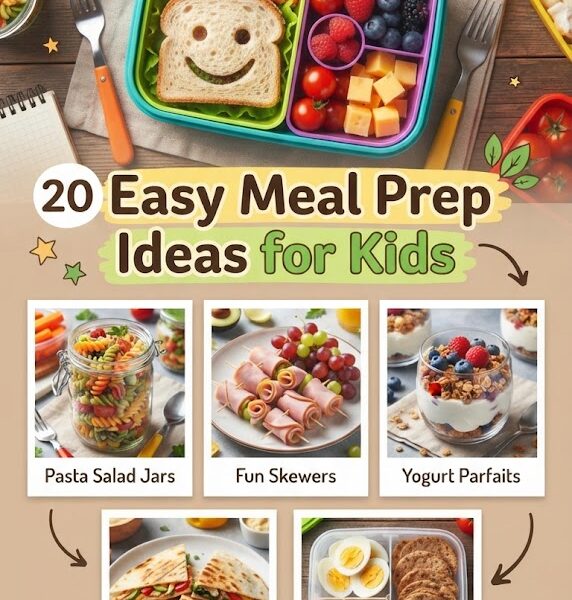
Getting kids to eat balanced meals can feel like a full-time job, especially on busy school mornings and hectic weeknights. Between school, homework, sports, activities, and family responsibilities, there isn’t always enough time to cook a completely new meal every day.
That is where meal prep for kids can make life much easier.
With a little planning, you can prepare simple ingredients and kid-friendly meals ahead of time so breakfast, lunch, snacks, and dinner are easier to put together throughout the week. The best kids’ meal prep ideas are not complicated. They use familiar ingredients, colorful fruits and vegetables, protein-rich foods, whole grains, and foods children already enjoy.
This guide shares 20 easy meal prep ideas for kids that work well for school lunches, after-school snacks, quick breakfasts, and family dinners. These ideas are flexible, affordable, and easy to customize for different ages and preferences.
The USDA recommends offering children a variety of fruits, vegetables, grains, protein foods, and dairy or fortified soy alternatives while limiting foods high in added sugars, saturated fat, and sodium.
Whether you’re preparing meals for a picky eater, packing school lunches, or simply trying to make busy weekdays easier, these ideas can help you spend less time in the kitchen and more time enjoying meals together.
Why Meal Prep Is Helpful for Kids
Meal prepping isn’t just about saving time. It can also make healthy food easier for children to choose.
When washed fruit, chopped vegetables, cooked proteins, and ready-to-eat snacks are already available, you don’t have to start from scratch every time your child says, “I’m hungry.”
Meal prep can help you:
- Save time during busy mornings
- Prepare school lunches faster
- Reduce last-minute takeout
- Make healthy foods more convenient
- Reduce food waste
- Control portions
- Offer more variety
- Make grocery shopping easier
- Create balanced meals
- Give kids more independence
USDA MyPlate also encourages families to get children involved in meal preparation. Depending on their age, children can help with simple tasks such as assembling salads, measuring ingredients, scooping foods, or choosing fruits and vegetables.
The goal isn’t to prepare seven identical meals.
Instead, prepare a few versatile ingredients that can be mixed and matched throughout the week.
For example, cooked chicken can become a lunch wrap one day, a rice bowl another day, and a quesadilla later in the week.
20 Easy Meal Prep Ideas for Kids
1. Make-Ahead Breakfast Oatmeal Cups
Oatmeal is an easy breakfast option that can be prepared in advance and customized with different toppings.
Prepare a batch of oatmeal and divide it into individual containers. Once cooled, store the portions in the refrigerator and add toppings when you’re ready to serve.
Kid-friendly topping ideas include:
- Bananas
- Strawberries
- Blueberries
- Apples
- Cinnamon
- Peanut butter
- Sunflower seed butter
- Yogurt
- Chia seeds
For younger children, keep toppings simple and choose textures that are appropriate for their age.
You can make several variations from one batch of oatmeal, which keeps breakfast interesting without requiring extra cooking every morning.
Easy oatmeal combination
Try oatmeal with:
Oats + milk + banana + cinnamon + peanut butter
For children with nut allergies, use an appropriate nut-free alternative.
2. Mini Egg Muffins
Mini egg muffins are a convenient breakfast or lunchbox option.
Whisk eggs with finely chopped vegetables and a small amount of cheese. Pour the mixture into a greased muffin pan and bake until the eggs are fully cooked.
Possible ingredients include:
- Eggs
- Spinach
- Bell peppers
- Broccoli
- Cheese
- Tomatoes
- Cooked chicken
- Turkey
Let the muffins cool before storing them in the refrigerator.
They can be served with fruit, whole-grain toast, or yogurt for a more complete breakfast.
Egg dishes should be cooked thoroughly, and refrigerated cooked egg dishes should generally be used within 3–4 days.
3. Turkey and Cheese Roll-Ups
Turkey and cheese roll-ups are one of the easiest kids’ lunch meal prep ideas.
Place a slice of turkey and cheese on a whole-wheat tortilla. Roll it tightly and cut it into small pieces.
You can serve the roll-ups with:
- Apple slices
- Grapes
- Baby carrots
- Cucumber slices
- Yogurt
- Whole-grain crackers
For extra variety, add a thin layer of hummus or mashed avocado.
If your child doesn’t like turkey, substitute another age-appropriate protein your family enjoys.
These roll-ups are particularly useful for school lunches because they don’t require complicated preparation.
4. DIY Lunch Boxes
Instead of preparing one complicated recipe, create a simple DIY kids’ lunch box using several small portions.
A balanced lunch box might include:
- Whole-grain crackers
- Cheese cubes
- Turkey slices
- Apple slices
- Cucumber
- Yogurt
- A small homemade snack
The beauty of this approach is flexibility.
Children can choose what they want from several familiar foods, while parents can still offer a variety of food groups.
Prepare several containers at once and store them appropriately in the refrigerator.
This is also a great option for children who don’t like foods touching each other.
5. Chicken and Rice Bowls
Chicken and rice bowls are an excellent meal-prep option because the ingredients can be prepared separately.
Cook a batch of rice and chicken, then add vegetables such as:
- Corn
- Peas
- Carrots
- Broccoli
- Bell peppers
For flavor, use a mild sauce or dressing that your child enjoys.
You can create different combinations throughout the week.
For example:
Day 1: Chicken + rice + corn
Day 2: Chicken + rice + broccoli
Day 3: Chicken + rice + peas and carrots
This keeps the basic meal familiar while introducing different vegetables.
Cooked chicken should be handled carefully and refrigerated promptly. USDA guidance recommends keeping most cooked leftovers refrigerated for 3–4 days.
6. Homemade Pizza Lunch Kits
Kids often love pizza, so why not turn it into a simple make-your-own lunch?
Prepare small whole-wheat pita breads or pizza bases and portion the toppings separately.
You can include:
- Tomato sauce
- Shredded mozzarella
- Cooked chicken
- Bell peppers
- Mushrooms
- Olives
- Pineapple
At home, children can assemble their own mini pizzas before baking.
For school lunches, you can prepare pizza-inspired cold versions using pita, cheese, vegetables, and a small container of sauce.
Letting kids assemble their meals can make them more interested in trying new foods.
7. Peanut Butter and Banana Wraps
A peanut butter and banana wrap takes only a few minutes to prepare.
Spread peanut butter on a whole-grain tortilla, place banana slices down the center, and roll it up.
For a different flavor, add:
- Cinnamon
- Thin apple slices
- A small amount of honey for children over 1 year old
- Sunflower seed butter
This is especially convenient for breakfast or an after-school snack.
Always consider your child’s allergies and school rules before packing peanut or tree-nut products.
8. Pasta Salad for Kids
Cold pasta salad can be a convenient make-ahead lunch.
Cook pasta and let it cool. Add colorful vegetables and a mild dressing.
Kid-friendly additions include:
- Cucumber
- Sweet corn
- Peas
- Bell peppers
- Cherry tomatoes cut appropriately
- Cheese
- Cooked chicken
You can use whole-grain pasta for additional fiber.
Keep the flavors mild if your children don’t enjoy strong sauces.
A simple dressing made with olive oil and a little lemon juice can work well.
Prepare individual portions so they’re ready to grab for lunch.
9. Homemade Chicken Nuggets
Instead of relying on frozen convenience foods every day, try making homemade chicken nuggets.
Cut chicken into small pieces, coat them with breadcrumbs, and bake until thoroughly cooked.
You can prepare a batch and freeze portions for later use.
Serve them with:
- Sweet potato wedges
- Peas
- Corn
- Apple slices
- Yogurt-based dip
Chicken and poultry should reach a safe internal temperature of 165°F, according to USDA/FDA food-safety guidance.
Homemade nuggets can be a great way to give children a familiar favorite while allowing you to control the ingredients.
10. Fruit and Yogurt Snack Boxes
Snack boxes are perfect for children who need something between meals.
Prepare individual containers containing:
- Greek yogurt
- Strawberries
- Blueberries
- Banana
- Apple slices
- Whole-grain crackers
- Cheese
You can prepare several boxes at once.
For fruits that brown quickly, such as apples, a small amount of lemon juice can help maintain their appearance.
Keep refrigerated foods chilled until serving.
These snack boxes can also become a simple breakfast when paired with whole-grain toast or oatmeal.
11. Make-Ahead Pancakes
Pancakes don’t have to be limited to Saturday mornings.
Make a large batch and freeze individual portions.
Allow pancakes to cool completely before storing them in freezer-safe packaging.
For breakfast, reheat and serve with:
- Banana
- Strawberries
- Blueberries
- Yogurt
- Peanut butter
- A small amount of maple syrup
You can also make mini pancakes, which are easier for little hands to pick up.
For a healthier variation, experiment with adding mashed banana, oats, or finely grated vegetables.
12. Taco Bowls
Taco bowls are another flexible easy meal prep idea for kids.
Prepare:
- Rice
- Ground turkey or beef
- Black beans
- Corn
- Shredded lettuce
- Cheese
- Tomatoes
- Avocado
Keep the ingredients separate so children can build their own bowls.
If your child doesn’t like spicy food, skip hot sauces and strong seasonings.
You can also use leftover taco meat in quesadillas, wraps, or nachos later in the week.
When preparing ground meat, follow safe cooking temperatures; USDA guidance recommends 160°F for ground meat.
13. Baked Sweet Potato Fries
Sweet potatoes can be prepared ahead and used as a side dish or snack.
Cut sweet potatoes into sticks, lightly coat them with oil, season, and bake until tender.
Serve them with:
- Chicken
- Turkey burgers
- Eggs
- Hummus
- Yogurt dip
For young children, make sure foods are prepared in an age-appropriate size and texture.
Sweet potato fries are also an easy way to introduce a naturally sweet vegetable to children.
14. Freezer-Friendly Breakfast Burritos
Breakfast burritos can save valuable time on busy school mornings.
Fill whole-wheat tortillas with:
- Scrambled eggs
- Cheese
- Beans
- Potatoes
- Mild vegetables
Wrap each burrito individually and freeze.
When ready to eat, reheat thoroughly.
You can make a batch on the weekend and have several breakfasts ready for the week.
For children who prefer simpler foods, make plain egg-and-cheese burritos.
For adventurous eaters, add peppers, beans, spinach, or avocado after reheating.
15. Mini Turkey Meatballs
Homemade turkey meatballs are versatile and freezer-friendly.
Mix ground turkey with breadcrumbs, egg, and mild seasonings. Form small meatballs and bake until thoroughly cooked.
Serve them with:
- Pasta
- Rice
- Mashed potatoes
- Vegetables
- Whole-grain bread
You can also place meatballs in a lunchbox with fruit and vegetables.
Make a large batch and freeze portions for future meals.
Always cook ground poultry thoroughly to 165°F.
16. Veggie Quesadillas
Quesadillas are an excellent way to combine familiar foods with vegetables.
Place shredded cheese and finely chopped vegetables inside a tortilla and cook until the cheese melts and the tortilla becomes lightly crisp.
Try:
- Cheese + corn
- Cheese + black beans
- Cheese + spinach
- Cheese + bell peppers
- Cheese + chicken
Cut into small triangles before serving.
Serve with avocado, yogurt, fruit, or mild salsa.
If your child is hesitant about vegetables, begin with very small amounts mixed with foods they already enjoy.
17. Overnight Yogurt Parfaits
Prepare breakfast the night before using yogurt, fruit, and whole-grain ingredients.
Layer:
Yogurt → fruit → oats → yogurt → fruit
You can add:
- Chia seeds
- Cinnamon
- Nut or seed butter
- Unsweetened coconut
- Granola
For younger children, choose textures that are safe and appropriate for their developmental stage.
Keep parfaits refrigerated until serving.
They can make busy mornings much easier because breakfast is already assembled.
18. Homemade Snack Mix
A homemade snack mix can be customized to your child’s preferences.
Possible ingredients include:
- Whole-grain cereal
- Pretzels
- Unsalted crackers
- Dried fruit
- Seeds
- Freeze-dried fruit
For younger children, avoid ingredients that may present choking risks and follow age-appropriate feeding guidance.
Prepare small portions in reusable containers.
Snack mix is especially convenient for road trips, after-school activities, and busy afternoons.
19. Mini Sandwiches
Instead of making one large sandwich, prepare several mini sandwiches.
Use whole-grain bread and fillings such as:
- Turkey and cheese
- Chicken salad
- Egg salad
- Hummus and cucumber
- Peanut butter and banana
Use cookie cutters to create fun shapes if your child enjoys playful food presentation.
Pair sandwiches with fruit and vegetables to create a simple balanced lunch.
Preparing the sandwiches in advance can make school mornings much faster.
20. Build-Your-Own Snack Plates
One of the easiest meal prep strategies is preparing ingredients rather than complete meals.
Create a snack plate with:
- Cheese
- Fruit
- Vegetables
- Whole-grain crackers
- Hummus
- Yogurt
- Cooked protein
Keep ingredients in separate containers and assemble plates as needed.
This approach is especially useful for picky eaters because children can choose from several foods without being forced to eat everything on the plate.
It also makes it easier for parents to use whatever ingredients are already available in the refrigerator.
How to Meal Prep for Kids in One Hour
You don’t need to spend your entire Sunday cooking.
A simple one-hour meal-prep routine can make the week much easier.
Step 1: Choose two proteins
For example:
- Chicken
- Turkey meatballs
- Eggs
- Beans
Step 2: Prepare two carbohydrates
Choose:
- Rice
- Pasta
- Oats
- Potatoes
- Whole-grain tortillas
Step 3: Wash and cut fruits
Prepare:
- Apples
- Strawberries
- Blueberries
- Melon
- Grapes
Step 4: Prepare vegetables
Wash and cut:
- Cucumbers
- Carrots
- Bell peppers
- Broccoli
- Peas
Step 5: Make two snacks
For example:
- Mini muffins
- Yogurt cups
- Homemade snack mix
- Energy bites
Step 6: Portion everything
Use small reusable containers to divide foods into meal and snack portions.
This simple system gives you ingredients that can be combined differently throughout the week.
Easy Meal Prep Schedule for a Busy Family
Here’s a simple example of how you could use your prepared ingredients.
Monday
Breakfast: Oatmeal with banana
Lunch: Turkey and cheese roll-ups
Snack: Yogurt and berries
Dinner: Chicken rice bowl
Tuesday
Breakfast: Mini egg muffins and fruit
Lunch: Pasta salad
Snack: Homemade snack mix
Dinner: Turkey meatballs with pasta
Wednesday
Breakfast: Pancakes and strawberries
Lunch: DIY lunch box
Snack: Apple and cheese
Dinner: Chicken quesadillas
Thursday
Breakfast: Yogurt parfait
Lunch: Mini sandwiches
Snack: Sweet potato fries
Dinner: Taco bowls
Friday
Breakfast: Breakfast burrito
Lunch: Homemade chicken nuggets
Snack: Fruit and yogurt
Dinner: Build-your-own pizza
This kind of meal rotation reduces decision fatigue while still giving children variety.
How to Make Meal Prep Appealing to Picky Eaters
Picky eating is common among children, and forcing a child to eat a particular food can make mealtimes more stressful.
Instead, try offering familiar foods alongside new ones.
For example, if your child loves chicken nuggets, serve a small amount of broccoli alongside them.
If they love pasta, add a small portion of peas.
If they prefer sandwiches, introduce a new fruit alongside the sandwich.
You can also allow children to participate in preparation.
Ask them to:
- Choose a fruit
- Wash vegetables
- Mix ingredients
- Assemble a lunch box
- Pick between two healthy options
- Create their own snack plate
USDA guidance specifically encourages children to participate in age-appropriate meal preparation and grocery shopping.
Giving children some control can make mealtimes more enjoyable.
How to Build a Balanced Kids’ Meal
A balanced meal doesn’t need to be complicated.
Try combining several food groups.
Protein
Examples include:
- Chicken
- Turkey
- Eggs
- Beans
- Lentils
- Yogurt
- Cheese
- Fish
Fruits
Try:
- Apples
- Bananas
- Berries
- Oranges
- Melon
- Pears
Vegetables
Try:
- Carrots
- Cucumbers
- Broccoli
- Peas
- Corn
- Bell peppers
- Sweet potatoes
Grains
Examples include:
- Brown rice
- Oatmeal
- Whole-wheat bread
- Whole-grain pasta
- Whole-wheat tortillas
Dairy or fortified alternatives
Examples include:
- Milk
- Yogurt
- Cheese
- Fortified soy alternatives
USDA MyPlate recommends offering variety across these food groups as part of healthy eating for children.
Remember that children’s nutritional needs vary by age, activity level, growth, and individual circumstances.
Kids’ Meal Prep Grocery List
If you’re starting meal prep for the first time, keep your shopping list simple.
Protein
- Chicken breast
- Ground turkey
- Eggs
- Beans
- Greek yogurt
- Cheese
- Hummus
Fruits
- Apples
- Bananas
- Strawberries
- Blueberries
- Oranges
- Grapes
Vegetables
- Carrots
- Cucumbers
- Broccoli
- Bell peppers
- Corn
- Spinach
- Sweet potatoes
Grains
- Oats
- Brown rice
- Whole-grain bread
- Whole-wheat tortillas
- Whole-grain pasta
- Whole-grain crackers
Pantry Staples
- Olive oil
- Cinnamon
- Mild seasonings
- Peanut or seed butter
- Tomato sauce
- Breadcrumbs
Keeping versatile ingredients on hand makes it easier to create different meals without buying a huge number of products.
Meal Prep Food Safety Tips for Kids
Food safety is especially important when preparing meals ahead of time.
The FDA recommends refrigerating foods that require refrigeration within two hours, or within one hour when the temperature is above 90°F.
Keep your refrigerator at 40°F or below and your freezer at 0°F.
Other important tips include:
- Wash hands before preparing food.
- Keep raw meat separate from ready-to-eat foods.
- Use clean cutting boards and utensils.
- Store prepared foods in covered containers.
- Divide large quantities into shallow containers so they cool faster.
- Refrigerate leftovers promptly.
- Use most cooked leftovers within 3–4 days.
- Reheat leftovers to 165°F.
- Freeze foods you won’t use within the recommended refrigerator storage period.
USDA guidance recommends using most refrigerated leftovers within 3–4 days and provides safe methods for thawing and reheating frozen leftovers.
When packing school lunches, use appropriate insulated lunch bags and cold packs for foods that need to stay chilled.
When in doubt about whether a perishable food has been stored safely, it’s better to discard it rather than risk foodborne illness.
How to Save Money With Kids’ Meal Prep
Meal prepping can also help reduce your grocery bill.
Start by choosing ingredients that can be used in several meals.
For example, one package of chicken can become:
- Chicken rice bowls
- Chicken quesadillas
- Chicken wraps
- Chicken sandwiches
Likewise, a batch of cooked rice can be used for:
- Rice bowls
- Burritos
- Stir-fry
- Taco bowls
Buy seasonal produce when possible and use frozen fruits and vegetables when they’re more affordable.
Frozen vegetables can be especially convenient because they require little preparation and can be stored for longer periods.
Planning meals before shopping also helps prevent impulse purchases.
Meal Prep Ideas for School Lunches
School lunch doesn’t have to be complicated.
Some easy combinations include:
Lunch Idea 1
Turkey roll-ups + cucumber + strawberries + yogurt
Lunch Idea 2
Chicken rice bowl + corn + apple slices
Lunch Idea 3
Mini sandwich + carrots + berries + cheese
Lunch Idea 4
Pasta salad + cucumber + orange slices
Lunch Idea 5
Quesadilla + avocado + fruit
Lunch Idea 6
Homemade chicken nuggets + sweet potato + grapes
Lunch Idea 7
DIY lunch box + yogurt + berries
The best school lunch is one your child is actually willing to eat.
Meal Prep Ideas for Kids Under 10 Minutes
Some days you won’t have time for elaborate preparation.
Keep a few emergency combinations available.
Quick Breakfast
Greek yogurt + banana + oats
Quick Lunch
Turkey wrap + apple + cucumber
Quick Snack
Cheese + whole-grain crackers + berries
Quick Dinner
Pre-cooked chicken + rice + frozen vegetables
Quick Snack Box
Fruit + yogurt + crackers
Meal prep works best when you have ingredients ready rather than relying on complicated recipes.
How to Get Kids Involved in Meal Prep
Children can learn valuable kitchen skills by helping with age-appropriate tasks.
Younger children might:
- Wash fruits
- Mix ingredients
- Arrange foods
- Choose between fruits
- Fill containers with supervision
Older children might:
- Measure ingredients
- Assemble sandwiches
- Prepare simple snack boxes
- Help plan lunches
- Read ingredient labels
- Assist with grocery lists
Always supervise children around knives, hot surfaces, appliances, and other kitchen hazards.
You can make meal prep more exciting by giving children ownership.
For example:
“You choose the fruit for Monday’s lunch.”
Or:
“Can you create your own snack box?”
Small responsibilities can turn meal preparation into a fun family activity.
The Best Containers for Kids’ Meal Prep
Good storage containers make meal prep easier.
Look for containers that are:
- Leak-resistant
- Easy to open
- Durable
- Easy to clean
- Appropriate for your child’s age
- Suitable for the food you’re storing
Small compartments are useful for separating fruits, vegetables, proteins, and grains.
For school lunches, choose containers that your child can open independently.
Practice opening the lunch container at home before sending it to school.
How Long Does Kids’ Meal Prep Last?
Storage time depends on the specific food, preparation method, and storage conditions.
As a general food-safety guideline, USDA recommends keeping most cooked leftovers in the refrigerator for 3–4 days.
If you won’t eat a prepared meal within that window, freezing may be a better option for foods that freeze well.
Always store food promptly and keep the refrigerator at 40°F or below.
Do not rely only on smell or appearance to determine whether a food is safe.
Final Thoughts
Finding meals that children enjoy while keeping preparation manageable can be challenging, but meal prep doesn’t have to mean spending your entire weekend in the kitchen.
The key is to prepare flexible ingredients that can be combined in different ways.
These 20 easy meal prep ideas for kids include simple breakfasts, school lunches, snacks, and family dinners that can make busy weekdays more manageable.
Start with just three or four ideas.
Prepare a batch of chicken, rice, fruit, vegetables, and one easy snack. Then use those ingredients in different combinations throughout the week.
As your family gets comfortable with meal prepping, you can add more recipes and create a weekly routine that works for your schedule.
Most importantly, remember that healthy eating doesn’t have to be perfect. Offering children a variety of nutritious foods, involving them in meal preparation, and creating positive mealtimes can help make healthy choices a normal part of family life.
With a little planning, healthy kids’ meals can be simple, affordable, and delicious—even on the busiest weekdays.
Frequently Asked Questions
What are the easiest meals to meal prep for kids?
Some of the easiest options include oatmeal cups, egg muffins, turkey roll-ups, chicken and rice bowls, pasta salad, mini sandwiches, quesadillas, yogurt parfaits, pancakes, and homemade chicken nuggets.
How many days can I meal prep for kids?
Most cooked leftovers should generally be refrigerated and used within 3–4 days. Foods that won’t be eaten within that period can often be frozen if they are suitable for freezing.
What are good meal prep ideas for picky eaters?
Try familiar foods such as mini sandwiches, quesadillas, chicken nuggets, pancakes, pasta, fruit and yogurt boxes, and DIY lunch boxes. Offer small portions of new foods alongside foods your child already likes.
How can I make meal prep easier?
Prepare versatile ingredients instead of complete meals. Cook one or two proteins, one or two grains, wash fruits, prepare vegetables, and portion snacks. You can then combine these ingredients differently throughout the week.
Are meal-prepped meals healthy for kids?
Meal prep can make it easier to offer a variety of fruits, vegetables, grains, protein foods, and dairy or fortified alternatives. USDA recommends variety across food groups as part of healthy eating for children.
What should I pack in a healthy kids’ lunch?
A simple lunch can include a protein, whole grain, fruit, vegetable, and dairy or fortified alternative. The exact portions and foods should be adjusted for your child’s age, appetite, preferences, and dietary needs.
Can I freeze kids’ meal prep?
Many foods can be frozen successfully, including pancakes, some cooked meats, meatballs, burritos, and certain casseroles. Freezing is useful when food won’t be eaten within the recommended refrigerator storage period.
How do I keep meal-prepped food safe?
Refrigerate perishable foods within two hours, keep the refrigerator at or below 40°F, use clean containers, and reheat leftovers to 165°F.