The Mediterranean diet has long been hailed as the gold standard for healthy eating, emphasizing lean proteins, heart-healthy fats, and an abundance of aromatic herbs. When you combine these principles with the modern necessity of a low-carb lifestyle, you get a culinary masterpiece that doesn’t just nourish the body but delights the senses. Among the most versatile and beloved dishes in this category is the Low-Carb Chicken Cutlet Mediterranean Herb Style.
This dish is a testament to the fact that “diet food” doesn’t have to be bland, and “quick meals” don’t have to be processed. Whether you are following a strict ketogenic protocol, managing your blood sugar, or simply looking for a light yet satisfying dinner, these cutlets are destined to become a staple in your kitchen.
The Allure of the Mediterranean Cutlet
What makes a Mediterranean-style chicken cutlet stand out from its traditional counterparts? It is the balance of textures and the complexity of flavors. While a standard breaded cutlet relies heavily on flour and breadcrumbs—which are high in refined carbohydrates—the low-carb version uses nut flours, cheeses, and spices to create a crust that is arguably more flavorful and certainly more nutritious.
The “Mediterranean” aspect comes from the infusion of sun-drenched herbs like oregano, thyme, and rosemary, paired with the bright acidity of fresh lemon and the pungent kick of garlic. It’s a flavor profile that feels like a vacation on a plate, transporting you to the coastal breezes of Greece or Italy with every bite.
Why This Recipe Works for Your Lifestyle
In today’s fast-paced world, the “weeknight favorite” must meet several criteria: it needs to be fast, it needs to be easy to clean up, and it needs to be something the whole family will enjoy.
- High Protein, Low Carb: By replacing traditional breadcrumbs with almond flour or Parmesan cheese, we slash the carb count while increasing the protein and healthy fat content. This helps maintain satiety and prevents the dreaded post-meal energy crash.
- Kid-Friendly: Let’s face it—kids love “chicken fingers.” These cutlets offer the same crunchy satisfaction as nuggets but without the hidden sugars and fillers found in frozen varieties.
- Versatile: These cutlets can be served as the main star, sliced over a fresh Caesar salad, tucked into a low-carb wrap, or even topped with a bit of marinara and mozzarella for a quick “Keto Chicken Parm.”
Anatomy of the Perfect Chicken Cutlet
To achieve restaurant-quality results at home, one must understand the components of a perfect cutlet. It isn’t just about throwing chicken in a pan; it’s about preparation and technique.
Selecting the Right Chicken
For cutlets, chicken breast is the preferred choice. However, the standard chicken breast sold in grocery stores is often too thick for quick, even cooking. You have two options:
- Buy thin-sliced cutlets: This saves time but can be more expensive.
- Butterflying and Pounding: This is the secret of professional chefs. By slicing a thick breast in half horizontally and then pounding it to an even thickness (about 1/4 inch), you ensure that the chicken cooks quickly and remains incredibly tender.
The Science of Pounding
Pounding the meat does more than just make it thin. It breaks down the muscle fibers, effectively tenderizing the meat. This ensures that even after a quick sear, the chicken remains juicy rather than “rubbery.” Always use plastic wrap or a zip-top bag when pounding to prevent the meat from tearing and to keep your kitchen clean.
The Low-Carb Breading Revolution
The biggest hurdle in making a low-carb cutlet is replacing the breadcrumbs. Fortunately, several high-quality alternatives provide that signature crunch without the grain.
1. Almond Flour (The Gold Standard)
Almond flour is the most popular substitute. It provides a nutty, slightly sweet base that browns beautifully in a pan. For the best results, use “super-fine” blanched almond flour rather than almond meal, which can be gritty.
2. Grated Parmesan Cheese
Often called “The Secret Ingredient,” Parmesan cheese not only adds a salty, umami depth but also creates a crispier crust than flour alone. When the cheese hits the hot oil, it melts and then hardens into a lacy, crunchy exterior.
3. Pork Rinds (The Zero-Carb Option)
For those on a strict carnivore or zero-carb path, crushed pork rinds (pork panko) are an incredible substitute. They offer a savory, salty crunch that is remarkably similar to traditional breading.
4. Coconut Flour
While less common for savory dishes, a small amount of coconut flour mixed with other flours can help absorb moisture, ensuring the crust sticks to the chicken.
The Mediterranean Herb Palette
Flavor is where this dish truly shines. Mediterranean cooking is defined by its use of fresh and dried herbs that provide “top notes” of flavor.
- Dried Oregano: The backbone of Mediterranean seasoning. It’s earthy and slightly bitter.
- Dried Thyme: Adds a subtle floral and citrusy aroma.
- Dried Rosemary: Must be finely minced if using dried needles, as it can be woody. It offers a piney, robust flavor.
- Garlic Powder: While fresh garlic is great, powder is better for breading as it distributes evenly and doesn’t burn as easily as fresh minced garlic.
- Smoked Paprika: A touch of paprika adds a beautiful golden-red hue to the crust and a hint of smokiness.
Step-by-Step Recipe: Low-Carb Mediterranean Chicken Cutlets
Ingredients
- Chicken: 1.5 lbs chicken breast (pounded thin or sliced into cutlets).
- The Coating:
- 1 cup Super-fine blanched almond flour.
- 1/2 cup Grated Parmesan cheese (the powdery kind works best for coating).
- 1 tbsp Dried oregano.
- 1 tsp Dried thyme.
- 1/2 tsp Garlic powder.
- 1/2 tsp Onion powder.
- 1/2 tsp Smoked paprika.
- 1 tsp Sea salt and 1/2 tsp cracked black pepper.
- Optional: 1 tsp Lemon zest (finely grated).
- The Binder: 2 Large eggs, beaten with 1 tbsp of water or heavy cream.
- The Cooking Fat: 3-4 tbsp Extra virgin olive oil or Avocado oil (Avocado oil has a higher smoke point).
Instructions
1. Prepare the Chicken
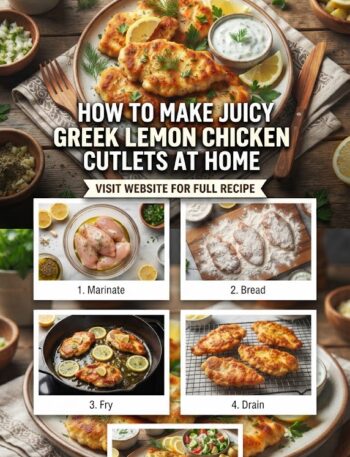
Pat the chicken breasts dry with paper towels. This is crucial—if the chicken is wet, the coating will slide off. Slice the breasts horizontally and pound them to a uniform 1/4-inch thickness. Season the raw meat lightly with salt and pepper.
2. Set Up the Dredging Station
You will need two shallow bowls.
- Bowl 1: The beaten eggs (the “glue”).
- Bowl 2: The almond flour, Parmesan, and all the Mediterranean herbs and spices mixed thoroughly.
3. Coat the Cutlets
Using the “one hand dry, one hand wet” method, dip a piece of chicken into the egg wash, ensuring it is fully coated. Lift it and let the excess drip off. Place the chicken into the herb-flour mixture. Press down firmly to make sure the breading adheres. Flip and repeat. Place the coated cutlet on a wire rack or a clean plate.
Pro Tip: Let the breaded cutlets sit for 5–10 minutes before cooking. This helps the “crust” set and prevents it from falling off in the pan.
4. The Searing Process
Heat a large skillet over medium-high heat. Add the oil. You want enough oil to coat the bottom of the pan generously—this isn’t deep frying, but the oil is what transfers the heat to the breading to create a crunch.
Once the oil is shimmering (not smoking), carefully add the cutlets. Do not crowd the pan; if necessary, cook in batches. Fry for 3–4 minutes per side. Because the chicken is thin, it will cook quickly. You are looking for a deep golden-brown color.
5. Rest and Brighten
Transfer the cooked cutlets to a paper-towel-lined plate to drain any excess oil. Immediately squeeze fresh lemon juice over the hot chicken. This “wakes up” all the dried herbs and creates a vibrant flavor profile.
Mastering the Technique: Avoiding Common Pitfalls
Even with a simple recipe, the details matter. Here is how to ensure your cutlets are perfect every time.
Why is my breading soggy?
Soggy breading usually happens for two reasons: the oil wasn’t hot enough, or you crowded the pan. If the oil is too cool, the almond flour will soak it up like a sponge rather than crisping. If you crowd the pan, the temperature drops, and the chicken begins to steam in its own juices rather than fry.
How do I keep the chicken juicy?
Overcooking is the enemy of the chicken breast. Since these cutlets are thin, they only need a few minutes. Use a meat thermometer if you’re unsure—chicken is safe and juiciest at 165°F (74°C). However, you can pull them at 160°F as “carry-over cooking” will bring them to the final temperature while they rest.
Can I bake these instead?
Yes! If you prefer to avoid pan-frying, place the breaded cutlets on a wire rack over a baking sheet. Spray them generously with olive oil spray. Bake at 400°F (200°C) for 12–15 minutes, flipping halfway through. While they won’t be as “fried-crispy,” they will still be delicious.
The Nutritional Deep Dive
Understanding the macro-nutrients of this dish helps illustrate why it’s a powerhouse for health-conscious eaters.
High-Quality Protein
Chicken breast is a “complete protein,” meaning it contains all nine essential amino acids necessary for muscle repair and metabolic function. For those on a fitness journey, this meal provides a high protein-to-calorie ratio.
Healthy Fats from Almonds and Olive Oil
Unlike traditional breaded chicken fried in vegetable or canola oil, this recipe uses almond flour (rich in Vitamin E and monounsaturated fats) and olive oil. These fats are heart-healthy and help the body absorb fat-soluble vitamins like A, D, E, and K.
Lower Glycemic Impact
By removing the white flour and breadcrumbs, we eliminate the spike in blood sugar that usually follows a meal. This makes the Mediterranean chicken cutlet an excellent choice for individuals with Type 2 diabetes or those following a low-carb diet to manage insulin levels.
Low-Carb Sides: Completing the Mediterranean Plate
A great cutlet deserves a great companion. To keep the meal low-carb, skip the pasta and potatoes in favor of these Mediterranean-inspired sides.
1. Zucchini Noodles with Pesto
Spiralized zucchini (zoodles) lightly sautéed with garlic and tossed in a fresh basil pesto. The herbaceous notes of the pesto complement the oregano in the chicken perfectly.
2. Classic Greek Salad
A mix of cucumbers, cherry tomatoes, Kalamata olives, red onions, and a slab of feta cheese. Drizzle with extra virgin olive oil and red wine vinegar. The crunch of the fresh veggies provides a nice contrast to the warm chicken.
3. Roasted Asparagus with Lemon and Garlic
Asparagus spears take about the same time to roast as the chicken does to fry. A sprinkle of sea salt and a squeeze of lemon makes them a simple, elegant side.
4. Cauliflower Tabbouleh
Replace the traditional bulgur wheat in tabbouleh with finely riced raw cauliflower. Mix with a massive amount of chopped parsley, mint, tomatoes, and lemon juice. It’s a refreshing, grain-free take on a classic.
5. Creamy Garlic Spinach
Sauté fresh spinach with heavy cream, garlic, and a touch of nutmeg. This adds a luxurious, “steakhouse” feel to your weeknight chicken dinner.
Meal Prep and Storage: The Gift That Keeps on Giving
One of the best things about Mediterranean chicken cutlets is how well they store and reheat. If you’re a fan of meal prepping, this recipe is your best friend.
How to Store
Keep cooked cutlets in an airtight container in the refrigerator for up to 4 days. To maintain the crispness, place a piece of parchment paper between layers of chicken.
How to Reheat
- The Air Fryer: This is the best method. 3 minutes at 350°F will bring back that original crunch.
- The Oven: 375°F for about 5–7 minutes.
- The Microwave: Avoid if possible, as it will make the almond flour crust soft and chewy.
Freezing
You can freeze these cutlets either raw (breaded) or cooked.
- Raw: Freeze the breaded cutlets on a baking sheet first (flash freezing) so they don’t stick together, then transfer to a freezer bag. Cook directly from frozen, adding a few extra minutes to the fry time.
- Cooked: Freeze for up to 3 months. Thaw in the fridge overnight before reheating.
Variations: Mixing Up the Mediterranean Flavors
Once you master the base recipe, you can tweak the spices to explore different regions of the Mediterranean.
- The Italian Style: Add more dried basil and a pinch of red pepper flakes to the breading. Serve with a side of sugar-free marinara sauce.
- The Moroccan Style: Swap the oregano for cumin, coriander, and a pinch of cinnamon. Serve with a side of roasted cauliflower and harissa yogurt.
- The French Provencal Style: Use Herbes de Provence (which includes lavender) and cook the chicken in a mix of butter and olive oil for a richer flavor.
- The Spicy Mediterranean: Add a teaspoon of cayenne pepper or Aleppo pepper to the coating for a slow-burning heat that pairs beautifully with a cooling cucumber-yogurt sauce (Tzatziki).
The Role of Sauces and Garnishes
While the chicken is flavorful enough to stand on its own, a Mediterranean sauce can elevate the dish to “dinner party” status.
Homemade Tzatziki
A refreshing blend of Greek yogurt, grated cucumber (squeezed dry), garlic, lemon juice, and fresh dill. This provides a creamy, cool contrast to the hot, crispy chicken.
Lemon Butter Caper Sauce (Piccata Style)
After removing the chicken from the pan, deglaze the skillet with a splash of chicken broth or dry white wine. Add a tablespoon of capers, a squeeze of lemon, and a knob of cold butter. Whisk until emulsified and pour over the cutlets.
Garlic Aioli
A simple mix of mayonnaise, crushed garlic, and lemon juice. This adds a rich, fatty element that keto enthusiasts will love.
Frequently Asked Questions
Is almond flour really keto-friendly?
Yes! One cup of almond flour contains about 20 grams of total carbs, but 12 of those are fiber, leaving only 8 grams of net carbs. Since you only use a fraction of a cup per serving of chicken, the carb count per meal remains very low.
Can I use chicken thighs instead of breasts?
Absolutely. Chicken thighs are more forgiving and stay moister than breasts. However, they take longer to cook and are harder to pound thin. If using thighs, ensure they are boneless and skinless, and increase the cooking time by 1–2 minutes per side.
My breading keeps falling off. What am I doing wrong?
The most common culprits are:
- Wet chicken: Ensure the meat is bone-dry before dredging.
- Not enough “glue”: Make sure the egg wash covers every nook and cranny.
- Flipping too soon: Let the first side cook undisturbed for at least 3 minutes. This allows the proteins in the egg and cheese to set.
- Not pressing the breading: You must physically press the almond flour mixture into the meat with the palm of your hand.
What is the best oil for frying cutlets?
While Extra Virgin Olive Oil (EVOO) is the Mediterranean choice, it has a lower smoke point. If you find your kitchen getting smoky, use Avocado oil or a “light” olive oil, which is more refined and can handle higher heat.
The Cultural Significance of the Mediterranean Diet
Beyond the macros and the recipes, the Mediterranean way of eating is a philosophy. It’s about using the best ingredients available and treating them with respect. In countries like Italy, Greece, Spain, and Turkey, meals are a time for connection.
By making these Low-Carb Chicken Cutlets, you are engaging in a tradition that spans centuries—a tradition of using herbs to preserve and flavor food, of using healthy fats to provide energy, and of focusing on simple, whole ingredients. Even on a busy Tuesday night in a suburban kitchen, the aroma of frying oregano and garlic brings a piece of that ancient wisdom to your table.
Customizing for Dietary Restrictions
This recipe is naturally Gluten-Free and Grain-Free. To make it:
- Dairy-Free: Omit the Parmesan cheese and increase the almond flour by 1/2 cup. Add 1 tbsp of nutritional yeast to replicate the cheesy, umami flavor.
- Nut-Free: Swap the almond flour for crushed pork rinds or a mix of sunflower seed flour and Parmesan.
- Egg-Free: Use heavy cream or a thin layer of Dijon mustard as the “glue” to hold the breading.
Conclusion: A New Standard for Weeknight Dinners
The Low-Carb Chicken Cutlets Mediterranean Herb Style represent the perfect intersection of health, flavor, and convenience. By mastering the simple techniques of pounding the meat, choosing the right low-carb coating, and embracing the vibrant herbs of the Mediterranean, you can transform a humble chicken breast into a gourmet experience.
This isn’t just a recipe; it’s a framework for a better way of eating. It proves that you don’t have to sacrifice the joy of a crispy, savory cutlet to stay on track with your health goals. So, grab your skillet, zest that lemon, and get ready to enjoy a new weeknight favorite that will have everyone asking for seconds—without the guilt.
Final Summary Checklist for Perfect Cutlets:
- Dry the chicken thoroughly.
- Pound to an even thickness.
- Season both the meat and the breading.
- Press the coating firmly onto the chicken.
- Heat the oil before the chicken touches the pan.
- Don’t crowd the skillet.
- Finish with a squeeze of fresh lemon.
Enjoy the crisp, the crunch, and the incredible aromatics of the Mediterranean right in your own home!