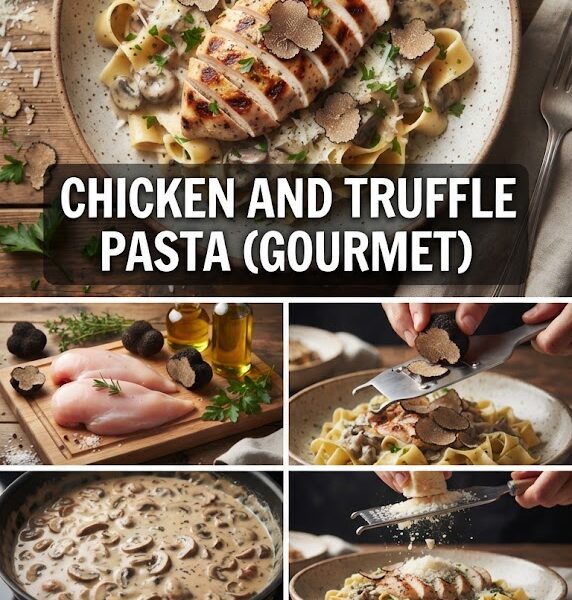
In the pantheon of fine dining, few ingredients command as much reverence and mystique as the truffle. Often referred to as the “diamond of the kitchen,” this elusive fungus possesses an aroma so intoxicating and a flavor so complex that it has captivated gourmands for centuries. When you pair the deep, musky notes of a high-quality truffle with the succulent, lean protein of perfectly prepared chicken and the silken embrace of artisanal pasta, you create a dish that transcends mere sustenance.
The Gourmet Chicken and Truffle Pasta is more than just a meal; it is an experience. It is a masterclass in balance, texture, and umami. In this comprehensive guide, we will explore every facet of this legendary dish—from the subterranean origins of the truffle to the precise chemistry of the perfect cream sauce. Whether you are a seasoned chef or a home cook looking to elevate your culinary repertoire, this deep dive will provide everything you need to master the art of truffle-infused gastronomy.
The Anatomy of a Truffle: Understanding the “Kitchen Diamond”
To cook with truffles, one must first understand them. Truffles are the fruiting bodies of subterranean ascomycete fungi, primarily of the genus Tuber. They grow in symbiotic relationships with the roots of specific trees, such as oak, hazelnut, and beech. Because they are difficult to find and even more difficult to cultivate, their price reflects their rarity.
Black Truffles (Tuber melanosporum)
Known as the “Périgord truffle,” these are the most common choice for pasta dishes involving heat. They have a robust, earthy scent reminiscent of damp earth, chocolate, and dried fruit. Unlike white truffles, black truffles can withstand a bit of cooking, which allows their flavors to infuse more deeply into a warm sauce.
White Truffles (Tuber magnatum)
The “Alba truffle” is the most expensive and prized variety. It has a more delicate, garlicky, and musky aroma that is highly volatile. White truffles should never be cooked; they are strictly meant to be shaved over a finished dish. For our gourmet chicken pasta, white truffles provide an ethereal finish that black truffles cannot match, though black truffles are better for the sauce base.
The Role of Truffle Oil and Salt
In the world of gourmet cooking, “truffle oil” is often a controversial subject. Most commercial truffle oils are synthetic, containing 2,4-dithiapentane rather than actual truffles. However, high-quality, infusion-based oils and truffle salts can serve as excellent flavor enhancers when used sparingly alongside fresh truffles to bridge the flavor gap.
Sourcing the Finest Ingredients
A gourmet dish is only as good as its components. To achieve a restaurant-quality Chicken and Truffle Pasta, you must prioritize sourcing.
- The Chicken: For this dish, avoid standard supermarket chicken. Seek out organic, pasture-raised, or heritage-breed chicken. These birds have a deeper flavor and a firmer texture that can stand up to the intensity of the truffle. Chicken thighs offer more fat and moisture, while airline breasts (with the drumette attached) provide a stunning visual presentation.
- The Pasta: Look for Pasta di Gragnano or any bronze-cut pasta. The rough surface of bronze-cut pasta is essential because it allows the truffle-infused sauce to “cling” to the noodles. For a truly luxurious experience, use fresh egg-based pasta like Tagliatelle or Pappardelle, which mimic the richness of the sauce.
- The Butter and Cream: Use European-style butter with a high butterfat content (at least 82%). For the cream, ensure it is heavy whipping cream without stabilizers like carrageenan, which can mute the delicate notes of the truffle.
- The Cheese: Only authentic Parmigiano-Reggiano (aged at least 24 months) will do. Its crystalline texture and nutty flavor profile act as a natural flavor enhancer for the truffle.
The Science of Umami: Why Chicken and Truffles Work
The success of Chicken and Truffle Pasta lies in the concept of “umami synergy.” Umami is the fifth taste—the savory, brothy sensation provided by glutamates.
- Chicken is rich in inosinate, a type of nucleotide that enhances the perception of savoriness.
- Truffles are packed with glutamic acid.
- Parmigiano-Reggiano is one of the most glutamate-dense foods on the planet.
When these three ingredients are combined, they create a chemical reaction on the tongue that makes the flavor exponentially more intense than if the ingredients were eaten separately. This is why a simple chicken pasta becomes a decadent explosion of flavor once truffles are introduced.
The Master Recipe: Gourmet Chicken and Black Truffle Tagliatelle
This recipe is designed for those who want to create a Michelin-star experience at home. It focuses on technique, temperature control, and the layering of flavors.
Ingredients (Serves 4)
- Protein: 2 large organic chicken breasts (skin-on) or 4 skin-on thighs.
- Pasta: 1 lb fresh Tagliatelle or Pappardelle.
- The Truffle: 1 fresh Black Winter Truffle (approx. 30-50g).
- Aromatics: 2 large shallots (finely minced), 4 cloves of garlic (confited or finely minced).
- The Liquid Gold: 1/2 cup dry white wine (Chardonnay or Pinot Grigio), 1.5 cups heavy cream, 1/2 cup high-quality chicken bone broth.
- Fats: 4 tbsp European butter, 2 tbsp extra virgin olive oil.
- Finishing: 1 cup freshly grated Parmigiano-Reggiano, fresh chives, and Maldon sea salt.
Step 1: Preparing the Chicken
The key to gourmet chicken is achieving a glass-like crispy skin while keeping the meat succulent.
- Pat the chicken completely dry with paper towels. Season generously with salt and pepper.
- In a cold cast-iron skillet, place the chicken skin-side down. Turn the heat to medium. This “cold start” method renders the fat slowly, ensuring maximum crispness.
- Once the skin is golden and crispy (about 8-10 minutes), flip the chicken and cook until the internal temperature reaches 160°F (it will carry over to 165°F while resting).
- Remove the chicken and let it rest for at least 10 minutes before slicing. This preserves the juices.
Step 2: The Truffle-Infused Base
- In the same skillet used for the chicken (drain excess fat but keep the brown bits/fond), melt 2 tablespoons of butter.
- Add the minced shallots and cook until translucent. Add the garlic and cook for another 60 seconds until fragrant.
- The Secret Step: Finely grate about one-third of your fresh truffle directly into the warm butter/shallot mixture. The heat will activate the truffle’s aromatic compounds, infusing the fat.
Step 3: Deglazing and Reducing
- Pour in the white wine to deglaze the pan, scraping up all the savory bits from the chicken. Let the wine reduce by half.
- Add the chicken bone broth and heavy cream. Bring to a gentle simmer.
- Let the sauce reduce until it can coat the back of a spoon (nappe consistency). Do not boil vigorously, as this can break the cream.
Step 4: The Pasta Marriage
- Boil your pasta in heavily salted water (it should taste like the sea). Cook until it is one minute away from al dente.
- Using tongs, transfer the pasta directly from the water into the cream sauce. This brings a bit of starchy pasta water into the pan, which helps emulsify the sauce.
- Add the remaining butter and the Parmigiano-Reggiano. Toss vigorously over low heat until the sauce is glossy and clings to every strand.
Step 5: The Grand Finale
- Slice the rested chicken into thick, elegant strips.
- Plate the pasta in “nests” using a carving fork. Place the chicken on top or alongside.
- The Climax: Using a truffle shaver, shave the remaining fresh truffle over the plates in thin, translucent petals. The heat from the pasta will release a cloud of truffle aroma that fills the room.
- Garnish with a sprinkle of chives and a pinch of Maldon salt.
Pro-Tips for Culinary Excellence
1. Temperature Matters
Truffles lose their potency if exposed to high heat for too long. This is why we grate a small amount into the sauce base for “depth” but save the majority for shaving at the end for “aroma.” Never boil a sauce once the fresh truffle has been added.
2. The Power of Resting
Never skip the resting phase for the chicken. If you cut it too early, the juices will run out, diluting your beautiful truffle cream sauce and leaving the meat dry.
3. Infusing Your Eggs
If you are making your own pasta from scratch, place your fresh truffle in a sealed container with your eggs for 24 hours before cooking. The porous shells of the eggs will allow the truffle aroma to permeate the yolks, resulting in “truffle pasta” before you even add the sauce.
Variations: Exploring Different Flavor Profiles
While the classic cream-based truffle pasta is the gold standard, there are several ways to adapt this dish to different palates.
The Mushroom Medley
To add more texture and earthiness, sauté a mix of wild mushrooms (Chantereilles, Porcini, or Cremini) with the shallots. The mushrooms act as a flavor bridge between the chicken and the truffle.
The Truffle and Leek Variation
Instead of shallots, use the white and light green parts of leeks. Leeks have a buttery, subtle sweetness that complements the earthiness of the truffle without the sharpness of onions.
The Zesty Lift
A tiny amount of lemon zest added at the very end can cut through the richness of the cream and butter, brightening the dish and making the truffle notes pop. Use this sparingly, as too much acidity can overwhelm the delicate fungus.
Wine Pairing: What to Drink with Chicken and Truffles
A gourmet meal is incomplete without the perfect vintage. When pairing wine with Chicken and Truffle Pasta, you want to match the weight of the dish and the earthiness of the truffle.
- The Classic Choice: Piedmontese Nebbiolo. Since truffles (especially white ones) are famous in the Piedmont region of Italy, a Barolo or Barbaresco is a traditional match. These wines have high acidity and tannins that cut through the cream, with “forest floor” notes that mirror the truffle.
- The White Wine Choice: Oaked Chardonnay. A rich, buttery Meursault or a high-end Napa Valley Chardonnay works beautifully. The vanilla and toasted oak notes in the wine complement the roasted chicken and the creamy sauce.
- The Wildcard: Aged Champagne. The effervescence and brioche notes of an aged Vintage Champagne provide a stunning contrast to the heavy, earthy flavors of the dish.
The History and Folklore of Truffles
The allure of the truffle isn’t just about taste; it’s about history. The ancient Greeks and Romans believed truffles were created when lightning struck damp earth. During the Middle Ages, they were often associated with witchcraft due to their mysterious growth patterns.
It wasn’t until the Renaissance that truffles regained their status as a luxury item in the courts of Europe. By the 18th century, they were a staple of French haute cuisine, popularized by legends like Jean Anthelme Brillat-Savarin, who called the truffle “the diamond of the kitchen.”
Today, the “truffle hunt” remains a storied tradition. In Italy and France, trained dogs (and occasionally pigs) are used to sniff out these buried treasures. This labor-intensive process is part of what makes the Gourmet Chicken and Truffle Pasta so special—you are eating a piece of history that required nature, animals, and human skill to bring to the table.
Storing and Preserving Fresh Truffles
If you find yourself with leftover fresh truffles, proper storage is critical. They lose about 5% of their weight per day through moisture loss.
- The Rice Method: Store the truffle in a sealed glass jar filled with Arborio rice. The rice will stay dry, and as a bonus, the rice will absorb the truffle aroma, making it perfect for a future truffle risotto.
- Paper Towels: Wrap the truffle in a dry paper towel and place it in a jar in the coldest part of the refrigerator. Change the paper towel every day to prevent moisture buildup and mold.
- Consumption Window: Fresh truffles should be consumed within 5 to 7 days of being harvested.
Frequently Asked Questions (FAQ)
Can I use frozen truffles?
Yes, but the texture will be softer. Frozen truffles are best used for grating into sauces rather than shaving on top.
What if I can’t find fresh truffles?
If fresh truffles are out of season or unavailable, use a high-quality Black Truffle Carpaccio (truffles preserved in oil) or a reputable Truffle Butter. Avoid “truffle essence” or cheap oils if you want a gourmet result.
Is this dish gluten-free?
You can easily make this gluten-free by substituting the pasta with a high-quality gluten-free alternative (like brown rice pasta) or even serving the truffle-cream chicken over a bed of creamy polenta or cauliflower purée.
Why does my truffle sauce taste bitter?
Bitterness usually occurs if the garlic or shallots are burnt, or if you use an oxidized white wine. Ensure you cook your aromatics on medium-low heat and use a wine you would actually enjoy drinking.
Conclusion: The Art of Slow Dining
Mastering Gourmet Chicken and Truffle Pasta is a rite of passage for any serious home cook. It requires patience, an appreciation for high-quality ingredients, and a willingness to embrace the earthy, complex flavors of the natural world.
When you sit down to eat this dish, you aren’t just consuming calories; you are participating in a culinary tradition that spans centuries. The smell of the shaved truffle rising from the warm pasta, the crunch of the golden chicken skin, and the velvet-smooth sauce create a sensory experience that is truly unparalleled. In a world of fast food and instant gratification, the truffle reminds us to slow down, savor the moment, and appreciate the extraordinary treasures hidden just beneath the surface of the earth.